
PeakOil is You
Gas-to-Liquids (GTL)
Re: Natural Gas can not replace depleting petroleum reserves.
 by copious.abundance » Thu 06 Aug 2009, 16:04:32
$this->bbcode_second_pass_quote('pstarr', 'T')hat doesn't drive Mom and the Kids to the Mall.
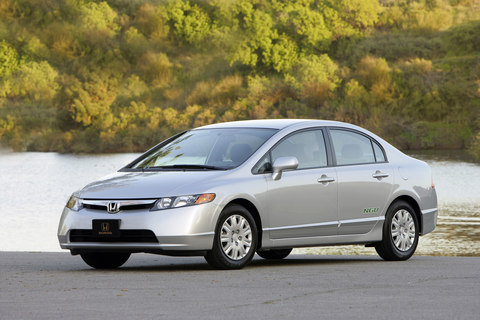
This drives mom and the kids to the mall
$this->bbcode_second_pass_quote('pstarr', 'O')r deliver your Amazon toys.

>>> UPS Deploys 167 Compressed Natural Gas Trucks <<<
This delivers your Amazon toys

$this->bbcode_second_pass_quote('pstarr', 'T')his is the United States, not some third-world piker country that otherwise depends on jittney's, pedi-cabs, and the occasional natural-gas model T clunkers, this is the the world's capital of long-distance driving and hauling.
It appears you've never been to Argentina. Or Brazil for that matter. But since you never go out of your house anymore I wouldn't be surprised.
$this->bbcode_second_pass_quote('pstarr', 'H')ow about this: why don't you dismissive, brainy, wise-cracking cuties show me numbers? Evidence for a significant upswing in natural gas vehicle sales in the United States? Anything to counter declining oil reserves and record high petroleum prices. Or is your natural gas revolution on paper only?
A personal challenge: How many of you happy techies have a natural gas auto, have seen one in your neighborhood, or have the ability to fill one up somewhere on your commute?
Come on now. Play nice. Rise to the challenge. Be real

Thought not.
Maddog was right, it wouldn't matter how much I showed, you would dismiss it.
$this->bbcode_second_pass_quote('OilFinder2', '&')gt;>> Waste Management Grows Fleet of Natural Gas Garbage Trucks <<<
$this->bbcode_second_pass_quote('', 'N')ationally, Waste Management already has 265 CNG and has 418 LNG (liquified natural gas) vehicles; and by the end of 2009, the company expects to have 500 LNG vehicles and 299 CNG vehicles in service.
>>> UPS Deploys 167 Compressed Natural Gas Trucks <<<
$this->bbcode_second_pass_quote('', 'M')ore than 800 CNG vehicles are already in use by UPS in the Untied States. While previous CNG trucks were converted from gasoline and diesel vehicles in the 1980s to run on alternative fuels, these new vehicles are manufactured explicitly for alternative-fuel use. They're expected to reduce emissions by 20 percent, and improve fuel economy by 10 percent, compared with the cleanest diesel engines you can get today.
>>> The trash is greener: Hamilton trucks running on natural gas <<<
$this->bbcode_second_pass_quote('', 'G')arbage collection has traditionally been carried out by diesel-fueled trucks, but as of today, Hamilton’s trash will begin being picked up by natural gas trucks, according to Frank Fiumefreddo Jr., the owner of Central Jersey Waste and Recycling.
The township last year awarded Fiumefreddo’s company a five-year contract to collect solid waste. Bencivengo wanted the township to adopt an environmentally friendly approach, so his administration required Central Jersey Waste and Recycling to eventually replace its diesel fuel trucks with trucks fueled by natural gas or 100 percent biodiesel.
>>> Ports get Daimler natural-gas trucks <<<
$this->bbcode_second_pass_quote('', 'L')OS ANGELES -- Local civic and business leaders, executives from Daimler Trucks North America and members of the press gathered under tents here at the Ports of Long Beach and Los Angeles complex Monday to mark the delivery of 132 new natural gas (NG)-fueled tractors to drivers who contract with California Cartage Company, as well as 100 new NG trucks for the Ports’ Clean Truck Program. The event also marked the official debut of Daimler’s Set Back 113 NG truck.