PeakOil is You
Why do doomers censor hope?
Re: Why do doomers censor hope?
 by Newfie » Mon 27 Feb 2017, 16:58:55
$this->bbcode_second_pass_quote('Tanada', '')$this->bbcode_second_pass_quote('onlooker', 'D')oomers do not censor hope but shine a bright light on the most serious problems
I shine a bright light on the problems I see all the time. However I do not then proclaim those problems are so grand we are all gonna die, civilization is about to collapse, the economy is falling apart never to recover, oil will soon be so worthless nobody will bother pumping it out of the ground or any of the half dozen other doomer theme scenarios that get pumped around this place constantly.
I don't know if I fall into your catagory of folks who "pump" doom. Maybe.
I do consider myself a doomer.
It seems obvious to me that infinite growth is impossible and that our economy relies upon infinite growth. Therefore that the economy is unsustainable and will collapse seems inevitable.
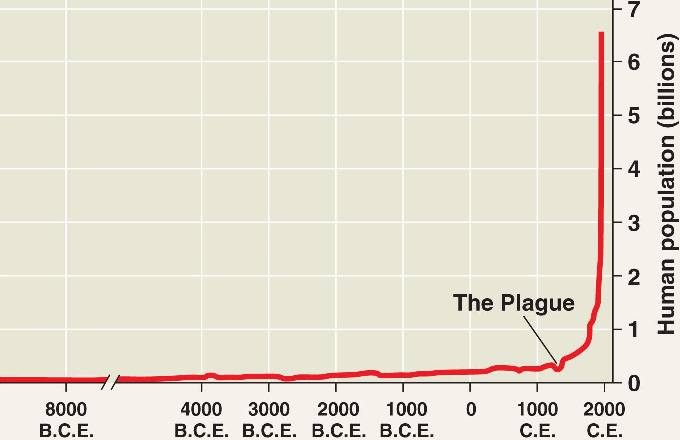
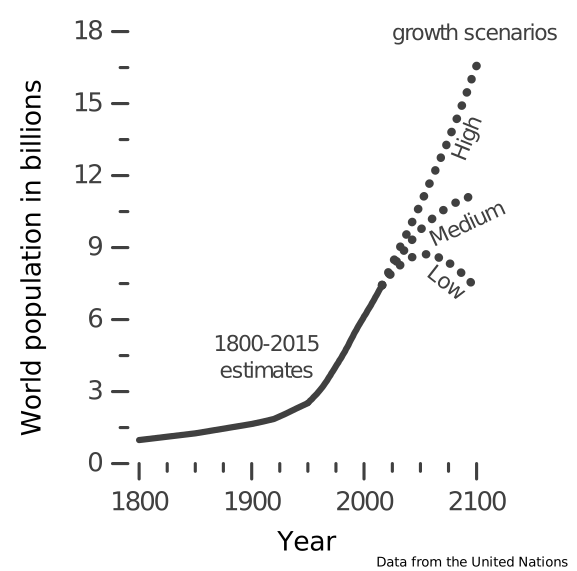
It seems obvious to me we can not sustain our human population even if we had abundant cheap and clean power. We've done too much damage to the ecosystems to feed ourselves forever and we have numerous biological challenges. Humanity is now probably be largest source of prey upon the planet. Nature will almost surely develop an effective predator, if only a virus. Or perhaps we will turn on ourselves through genocide, who knows.
I don't have a clue when a collapse will take place. I don't know how to avoid it. I do think there are measures we could take to lessen its impact, but we don't do that.
So maybe I fit your catagory.
P.S. If Bahamian Internet access is any guide we are in deep dodo as I ty...
-

Newfie - Forum Moderator

- Posts: 18651
- Joined: Thu 15 Nov 2007, 04:00:00
- Location: Between Canada and Carribean
Re: Why do doomers censor hope?
by eclipse » Mon 27 Feb 2017, 17:09:30
$this->bbcode_second_pass_quote('Plantagenet', '')$this->bbcode_second_pass_quote('eclipse', 'I')F this seaweed scheme can be scaled up to 9% of the world’s oceans it WILL sequester ALL our CO2 emissions
You sure are a committed advocate for destroying large areas of the ocean to grow kelp.
So please explain---how does growing lots and lots of seaweed sequester "ALL our CO2 emissions"?
If that's what you think, you need to watch the following TED talk.
https://www.youtube.com/watch?v=j8ViaskDSeI
Dr James Hansen recommends breeder reactors that convert nuclear 'waste' into 1000 years of clean energy for America, and can charge all our light vehicles and generate "Blue Crude" for heavy vehicles.
https://eclipsenow.wordpress.com/recharge/
https://eclipsenow.wordpress.com/recharge/
-

eclipse - Coal

- Posts: 468
- Joined: Fri 04 Feb 2005, 04:00:00
- Location: Sydney



 But the fundamental psychological difference is that the Apocalyptic Outsider is personally invested in society going down. It's a psychological need for certainty that drives it. Documentaries on it describe that uncertainty is the hardest state for people to endure.