by kublikhan » Sun 17 Dec 2017, 18:31:27
I agree with Ghung. Burning trash for power is a really bad idea for a multitude of reasons:
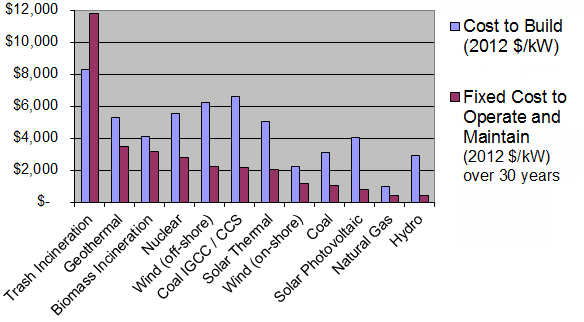
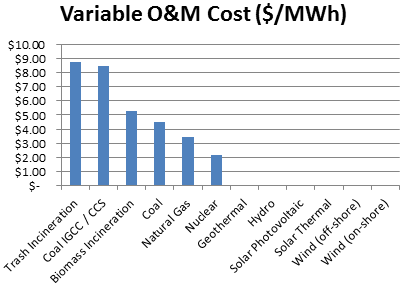
1. It's expensive. Trash incineration is the most expensive way to either make energy or dispose of waste:
$this->bbcode_second_pass_quote('', 'T')rash Incineration is the Most Expensive Way to Make Energy
2. It's dirty. It's bad not just for human health, but the environment as well:
$this->bbcode_second_pass_quote('', 'D')espite being an attractive technological option for waste management, combustion-based processes for municipal solid waste (MSW) treatment are a subject of intense debate around the world. In the absence of effective controls, harmful pollutants may be emitted into the air, land and water which may influence human health and environment.
Environmental IssuesThe incineration process produces two types of ash. Bottom ash comes from the furnace and is mixed with slag, while fly ash comes from the stack and contains components that are more hazardous. missions from incinerators can include heavy metals, dioxins and furans, which may be present in the waste gases, water or ash. Plastic and metals are the major source of the calorific value of the waste. The combustion of plastics, like polyvinyl chloride (PVC) gives rise to these highly toxic pollutants. Toxics are created at various stages of such thermal technologies, and not only at the end of the stack. These can be created during the process, in the stack pipes, as residues in ash, scrubber water and filters, and in fact even in air plumes which leave the stack. There are no safe ways of avoiding their production or destroying them. The ultimate release is unavoidable.
Human Health ConcernsWaste incineration systems produce a wide variety of pollutants which are detrimental to human health. Such systems are expensive and does not eliminate or adequately control the toxic emissions from chemically complex MSW.
People are exposed to toxics compounds in several ways:
* By breathing the air which affects both workers in the plant and people who live nearby;
* By eating locally produced foods or water that have been contaminated by air pollutants from the incinerator; and
* By eating fish or wildlife that have been contaminated by the air emissions.
Dioxin is a highly toxic compound which may cause cancer and neurological damage, and disrupt reproductive systems, thyroid systems, respiratory systems etc.
3. It removes incentives to reduce, reuse, and recycle and instead creates a perverse incentive to increase garbage production:
$this->bbcode_second_pass_quote('', 'I')ncinerator technological intervention in the waste stream distorts waste management. Such systems rely on minimum guaranteed waste flows. It indirectly promotes continued waste generation while hindering waste prevention, reuse, composting, recycling, and recycling-based community economic development. It costs cities and municipalities more and provides fewer jobs than comprehensive recycling and composting and also hinders the development of local recycling-based businesses.