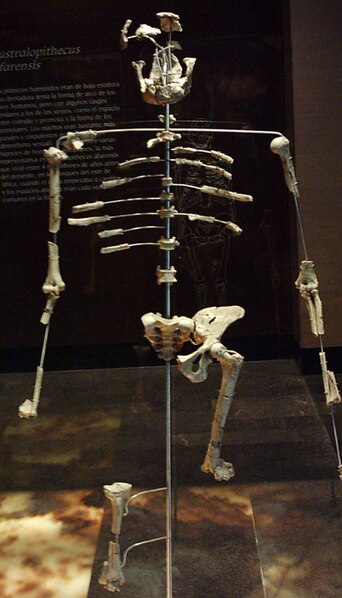
BTW here's your grandma



PeakOil is You
 by killJOY » Fri 23 Feb 2007, 11:36:46


by Windmills » Fri 23 Feb 2007, 11:46:14

by shakespear1 » Fri 23 Feb 2007, 11:48:59

by killJOY » Fri 23 Feb 2007, 11:54:48
by Kingcoal » Fri 23 Feb 2007, 11:56:28

by jeezlouise » Fri 23 Feb 2007, 11:57:45


by killJOY » Fri 23 Feb 2007, 12:36:00

by Chuckmak » Fri 23 Feb 2007, 12:41:28

by frankthetank » Fri 23 Feb 2007, 13:13:40
 I hope it was money well spent!

by Kingcoal » Fri 23 Feb 2007, 13:19:00
by green_achers » Fri 23 Feb 2007, 13:50:11
by Chaparral » Fri 23 Feb 2007, 14:36:39
by Tyler_JC » Fri 23 Feb 2007, 15:32:46
by basil_hayden » Fri 23 Feb 2007, 16:39:24
by killJOY » Fri 23 Feb 2007, 16:56:20
by neocone » Fri 23 Feb 2007, 18:12:51
by Dreamtwister » Fri 23 Feb 2007, 18:41:08
by Dreamtwister » Fri 23 Feb 2007, 18:51:25
by Windmills » Fri 23 Feb 2007, 19:06:19
by Tyler_JC » Fri 23 Feb 2007, 19:29:31
Return to North America Discussion
Users browsing this forum: No registered users and 77 guests