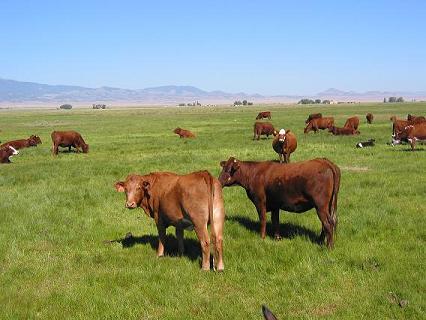
These cows look sad, very depressed, almost suicidal


PeakOil is You
 by frankthetank » Mon 02 Nov 2009, 15:08:15


by Pops » Tue 03 Nov 2009, 18:03:37


by deMolay » Wed 04 Nov 2009, 08:17:07


by Pops » Wed 04 Nov 2009, 12:31:01

by deMolay » Wed 04 Nov 2009, 13:37:51
by rangerone314 » Wed 04 Nov 2009, 14:11:37

by davep » Wed 04 Nov 2009, 15:49:19


by Maddog78 » Wed 04 Nov 2009, 15:55:26


by Vogelzang » Wed 04 Nov 2009, 18:36:08

by Pops » Wed 04 Nov 2009, 20:01:04
by Pops » Wed 04 Nov 2009, 20:11:42
by deMolay » Wed 04 Nov 2009, 22:00:50
by deMolay » Wed 04 Nov 2009, 22:05:37
by frankthetank » Thu 05 Nov 2009, 10:49:39
and the author talks about finishing on grain in one of the chapters. She says this is NOT common around the world, its mostly a US thing. She goes on to talk about the color of fat being "yellow" because of the vitamins found in the grasses vs the white color you see n the meat aisle fed grain. We don't want humans getting all those good vitamins by Lore » Thu 05 Nov 2009, 11:33:03


by frankthetank » Thu 05 Nov 2009, 12:01:53
by jedrider » Thu 05 Nov 2009, 12:20:03

by Lore » Thu 05 Nov 2009, 12:46:21
by eastbay » Thu 05 Nov 2009, 12:52:12

by frankthetank » Thu 05 Nov 2009, 13:34:05
Return to Conservation & Efficiency
Users browsing this forum: No registered users and 10 guests