

PeakOil is You
The new 'good' job: 12 bucks an hour
Re: The new 'good' job: 12 bucks an hour
 by odegaard » Sat 06 Jun 2009, 16:35:10
$this->bbcode_second_pass_quote('vision-master', 'D')oes this mean college grad's will start out at $13.00 hour?
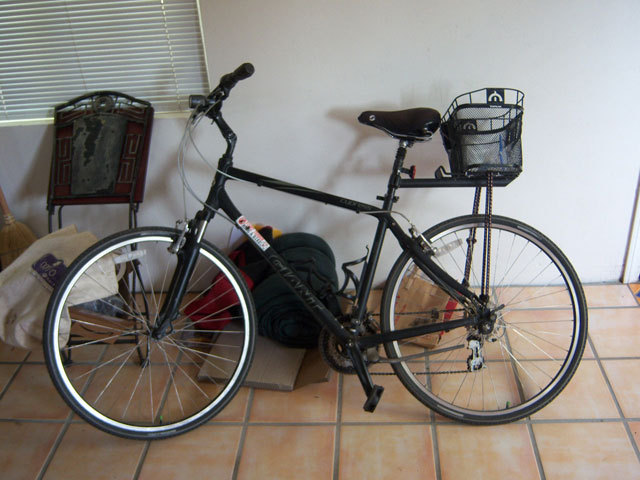
Not if they look like this.


"They're not too big to fail, they're too big to bail out!" Peter Schiff
- odegaard
- Lignite

- Posts: 382
- Joined: Tue 21 Apr 2009, 00:36:50
Re: The new 'good' job: 12 bucks an hour
by Sixstrings » Sat 06 Jun 2009, 16:35:54
Huh.. some cute houses there for only 26k!
-

Sixstrings - Fusion

- Posts: 15160
- Joined: Tue 08 Jul 2008, 03:00:00
Re: The new 'good' job: 12 bucks an hour
by jasonraymondson » Sat 06 Jun 2009, 16:38:08
$this->bbcode_second_pass_quote('Sixstrings', 'H')uh.. some cute houses there for only 26k!
yea... this is pretty normal, in my hometown of Kahoka, they sometimes run around 18000. Though normally less than that means they require work. It is a good place to retire if you don't mind the winters.
- jasonraymondson
- Permanently Banned
- Posts: 2727
- Joined: Wed 04 Jul 2007, 03:00:00
- Location: Peace Out
Re: The new 'good' job: 12 bucks an hour
by Sixstrings » Sat 06 Jun 2009, 17:03:43
$this->bbcode_second_pass_quote('jasonraymondson', '')$this->bbcode_second_pass_quote('Sixstrings', 'H')uh.. some cute houses there for only 26k!
yea... this is pretty normal, in my hometown of Kahoka, they sometimes run around 18000. Though normally less than that means they require work. It is a good place to retire if you don't mind the winters.
I live in Florida, so while housing is high, there are other costs we don't have. One would be heating.. I have relatives up north who've racked up unbelievabley high heating bills in the past. And then there's state income tax.. Florida has none, I see Missouri has 5%.
I haven't seen snow since I was maybe four years old (yes I have traveled many places outside the Sunshine State, just never while it was snowing). So anyway, the snow and extreme cold are mysteries to me. My brother lives up north, and I know he's gotten behind on heating bills before.. they shut him off at like 2 grand! (I think he uses nat gas) So that kind of thing is just out of my realm of experience, how it can possibly cost so much to heat a house.
-
Sixstrings - Fusion
- Posts: 15160
- Joined: Tue 08 Jul 2008, 03:00:00


