$this->bbcode_second_pass_quote('Micki', 'D')on't relax just becasue armageddon is 2060.
2060 is just the final battle between good and evil. There is a whole lotta bad stuff happening before then, like the turmoil that leads to the coming od the anti-christ.
Personally I think timewise it looks quite reasonable.



PeakOil is You
Armageddon date established - Book of Revelation (2060)
Re: Armageddon date established - Book of Revelation (2060)
 by vision-master » Wed 11 Jun 2008, 20:06:06
I posted this one in the Crop Circle thread.
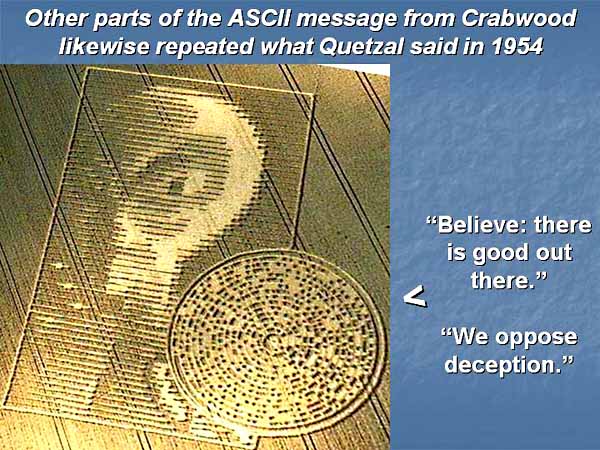
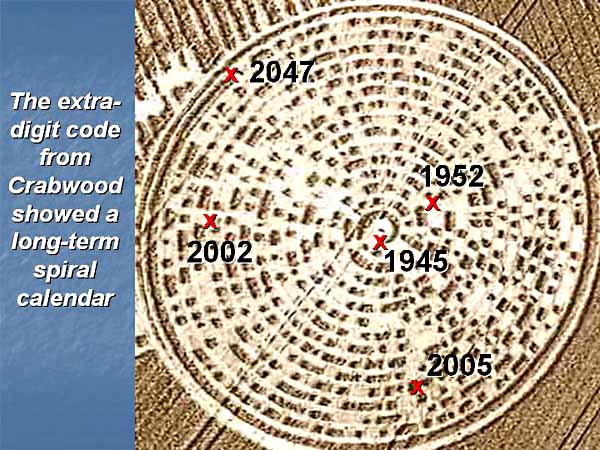
http://www.cropcircleconnector.com/anas ... 2007o.html
- vision-master
Re: Armageddon date established - Book of Revelation (2060)
by Ludi » Wed 11 Jun 2008, 20:07:48
$this->bbcode_second_pass_quote('Micki', 'D')on't relax just becasue armageddon is 2060.
2060 is just the final battle between good and evil. There is a whole lotta bad stuff happening before then, like the turmoil that leads to the coming od the anti-christ.
Personally I think timewise it looks quite reasonable.
But after thousands of years of fighting, wars, slavery and deceases, getting 1000 years of rule of God hardly seems good enough.
2060 is just the final battle between good and evil. There is a whole lotta bad stuff happening before then, like the turmoil that leads to the coming od the anti-christ.
Personally I think timewise it looks quite reasonable.
But after thousands of years of fighting, wars, slavery and deceases, getting 1000 years of rule of God hardly seems good enough.
Do you agree with this timeline?:
http://www.rapturechrist.com/timeline.htm
How do these events match up with the "final battle between good and evil" in 2060?
What event in Revelation do you consider the "final battle between good and evil"? Isn't that after the thousand years of the rule of the saints?
- Ludi
Re: Armageddon date established - Book of Revelation (2060)
by vision-master » Wed 11 Jun 2008, 20:09:15
$this->bbcode_second_pass_quote('Ludi', '')$this->bbcode_second_pass_quote('Micki', 'D')on't relax just becasue armageddon is 2060.
2060 is just the final battle between good and evil. There is a whole lotta bad stuff happening before then, like the turmoil that leads to the coming od the anti-christ.
Personally I think timewise it looks quite reasonable.
But after thousands of years of fighting, wars, slavery and deceases, getting 1000 years of rule of God hardly seems good enough.
2060 is just the final battle between good and evil. There is a whole lotta bad stuff happening before then, like the turmoil that leads to the coming od the anti-christ.
Personally I think timewise it looks quite reasonable.
But after thousands of years of fighting, wars, slavery and deceases, getting 1000 years of rule of God hardly seems good enough.
Do you agree with this timeline?:
http://www.rapturechrist.com/timeline.htm
How do these events match up with the "final battle between good and evil" in 2060?
What event in Revelation do you consider the "final battle between good and evil"? Isn't that after the thousand years of the rule of the saints?
Before.

- vision-master


 But really more interested in "what are we doing about it"