PeakOil is You
Hello Pt 3
Re: New Member with Attitude !!
 by BigTex » Tue 01 Apr 2008, 00:41:27
$this->bbcode_second_pass_quote('steam_cannon', 'W')ell guys, I think it's time me and my wife to ahh, call it a night...
Sneaking off to the love nest for a little doom-amour?
![[smilie=love3.gif]](https://udev.peakoil.com/forums/images/smilies/love3.gif "love3")
I feel like the violin player in a peak oil cafe.
![[smilie=eusa_boohoo.gif]](https://udev.peakoil.com/forums/images/smilies/eusa_boohoo.gif "eusa_boohoo")

-

BigTex - Intermediate Crude

- Posts: 3858
- Joined: Thu 03 Aug 2006, 03:00:00
- Location: Graceland
Re: New Member with Attitude !!
by BigTex » Tue 01 Apr 2008, 00:53:35
$this->bbcode_second_pass_quote('pstarr', 'T')he Antelope Valley, the High Desert, Palm Springs, everything is part of the Sprawl Zone. Mile after mile of Starbucks, AG Edwards, Target, etc.
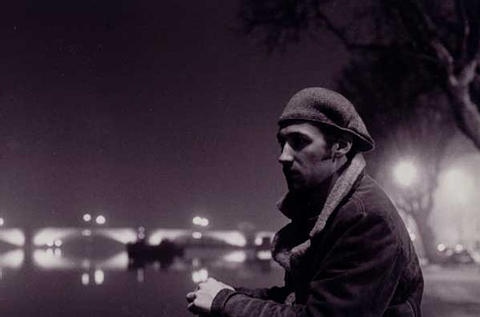
What a relief to finally arrive in Slab City and a quiet cigarette

What a relief to finally arrive in Slab City and a quiet cigarette
When THAT is the oasis, you truly are in a wasteland.
That looks like a VFW lodge that lost its franchise because it was too depressing to even sit in and get drunk.
-
BigTex - Intermediate Crude
- Posts: 3858
- Joined: Thu 03 Aug 2006, 03:00:00
- Location: Graceland
Re: New Member with Attitude !!
by Olaf » Tue 01 Apr 2008, 09:53:45
$this->bbcode_second_pass_quote('BigTex', '')$this->bbcode_second_pass_quote('steam_cannon', '')$this->bbcode_second_pass_quote('pstarr', 'G')ASMON you to will awaken but will it be too late?
Heh heh, well it doesn't matter to me if GASMON learns anything or not. People often have to see gas lines with their own eyes to believe
that there is a problem with no present solution. I'm not trying to save people,
I'm just here for the popcorn.
![[smilie=new_popcornsmiley.gif]](https://udev.peakoil.com/forums/images/smilies/new_popcornsmiley.gif "new_popcornsmiley")
Most people don't realize it until it has been breached, but we all have a doom hymen. There is a lot of doomer foreplay before the consummation, and I believe that this is where people spend a lot of their time, fiddling around with cornie porno, bio-fuels and backyard windmills. But when you finally feel that POP, and it may be while you are reading "Overshoot" (for Pstarr I think it was reading Kunstler), a sense of certainty and clarity just washes over you, and it is really a very special moment of doomer sensuality. When it's over, the best thing you can do is just step outside, have a cigarette, and quietly look to the heavens as you think to yourself "this is SO fucked up."
![[smilie=XXsmoker.gif]](https://udev.peakoil.com/forums/images/smilies/XXsmoker.gif "XXsmoker")
(Those who don't know what I'm talking about just haven't experienced it yet.)
...and in that moment, you really fucking do become a whole different person, because your old reality just went buh-bye.
Twas Heinberg that popped my cherry.
Olaf
- Olaf