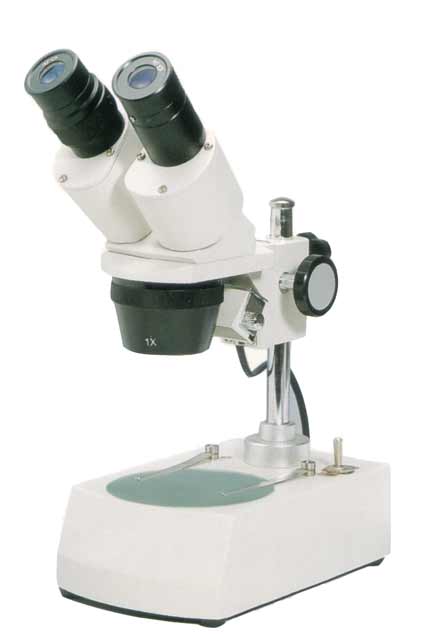
Im a final year med student, not trying to brag or anything, just pointing out that ive spent god knows how many hours staring down these things in the last 5 years. I dont claim to be a technical expert on scopes, but i can definitely give some hints on what features make these things easy, comfortable and educational to use.
Something like this is a good bet
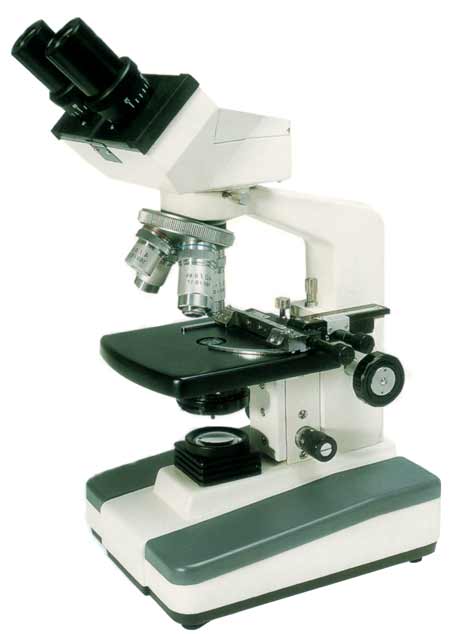
This is the model K compound binocular scope from the microscope depot site you posted earlier.
Some feature i wouldnt pass up if you want this to be useful and not end up in a cupboard somewhere.
Angled binocular eypeices: hovering over a monocular vertical scope is a pain in the ass, and sore on the eyes. The image in binocular scopes appears three dimensional an imho is much easier to view.
Inbuilt illumination: DO NOT get a scope with a seperate light and a fiddly little mirror to illuminate the sample stage. These are a pain in the ass. Get one with the inbuilt illumination.
Decent zoom range: In class we would get blasted if we went straight to 400 or 1000x zoom. There is an amazing amount to see at 40 and 100X, and focusing is much much simpler if you start low and work up.
High Magnification: Many people assume the higher the better. without incredible optics (read expensive) anything ove 1000X is useless. Just a note about high mag. The majority of 1000X (10x100) objective lenses are what is known as an oil immersion lens. What this means is that to make it work you need to place a droplet of a special oil on the slide and then bring the lens into position so that the tip of the lens and to oil droplet and the slide are all in contact ie immersed. This is fiddly yes, however the views you will see at these mags are often spectacular. If you do not use this oil techinque the image will be unfocasable, many blame poor optics, it is actually poor technique.
There are some other feature eg condenser and iris adjustments which are probalby less important but you may be interested.
The comments earlier about lenses and magnification ranges are correct. Most standerd scopes have a 10x eypiece lenses and 4X 10X 40X and 100X objective lenses. This means mags of 40X, 100X 400X and 1000X (oil immersion). A good hint, to get 10X mag you can take off the eypeice , hold the slide over something white, flip the eyepeice around and look at the slide throught eyepeice the "wrong " way, this will give good 10X times magnification.
This scope on that site was $340 new, im sure with a little looking on ebay, and on uni notice boards and the like you could pick up one for a lot less.
(ps dont know that the particular model is shown is any good, ive never used it, we use olympus scopes at school, theyre great. Just wanted to show an example of some of the features to look for.)