America isn’t prepared for a strike against our nuclear weapons-
THE HILLIf we are to believe the reports of the Pentagon, the U.S. has now deprived Iran of its ability to produce nuclear weapons. This was accomplished, remarkably enough, by a single raid involving a tiny number of U.S. bombers, without the element of surprise and — perhaps most astoundingly of all — without using our own nuclear weapons. There were no civilian casualties.
If the U.S. is ever the victim of a disarming strike, we will not get off so lightly.
Eight months ago, I wrote on the emphatic opinion of Rep. Don Bacon (R-Neb.) of the House Armed Services Committee, and other experts, that the U.S. is now highly vulnerable to a nuclear surprise attack. Bacon, a former Air Force brigadier general, had the actual job of giving the order to retaliate in case of a nuclear attack. Such an attack, if successful, would prevent any U.S. retaliation, leaving our enemies a free hand to use their own nuclear weapons to destroy the U.S.
Although the U.S. possesses thousands of nuclear weapons dispersed all around the world, they are all reliant on a single point of failure: the nuclear command, control and communications system. In order to be effective, the system must guard against two catastrophic possibilities: first, that the U.S. will be disarmed by a nuclear surprise attack, and second, that a false warning — a sensory illusion or a phantom on a computer screen — might start an accidental war.
To avert these dangers, the U.S. relies on a small fleet of command aircraft that have all the equipment required to command U.S. nuclear forces in the event of war. The idea is that the aircraft will take off when they receive a warning of an incoming attack, and transmit the order to retaliate only if and when nuclear weapons actually reach U.S. soil. This operation is called Looking Glass, and the system whereby the aircraft take off and command U.S. forces from the air is known as the “ground alert.”
Unfortunately, technology has completely overtaken this ground alert system. Modern hypersonic and submarine-launched missiles are capable of striking the U.S. in less than the 15 minutes it takes for the command aircraft to take off and escape their bases. This fact alone is sufficient to render the existing system obsolete. Even more concerning, the recent surprise attacks against Russia and Iran (both of which made use of cheap, home-made drones to achieve perfect surprise) raise the possibility of neutralizing the command aircraft by previously unforeseen or unconventional means — and with no warning at all.
As many others have rightly pointed out, the recent pattern of small drones overflying sensitive U.S. military bases suggests it would be entirely possible to use the methods of Israel and Ukraine on a far grander scale against our air forces. But what others have missed is the true extent of the danger posed by such an attack. The command aircraft, the very cornerstones of all U.S. military power, are at risk of sudden destruction.
In other words, it may well be possible to disarm and destroy the U.S. with approximately 20 plastic quadcopters...
https://thehill.com/opinion/national-se ... erability/China can detect US Seawolf-class submarine with magnetic wake tracking: study
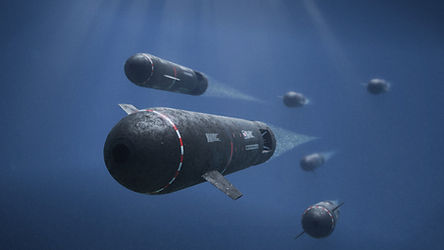
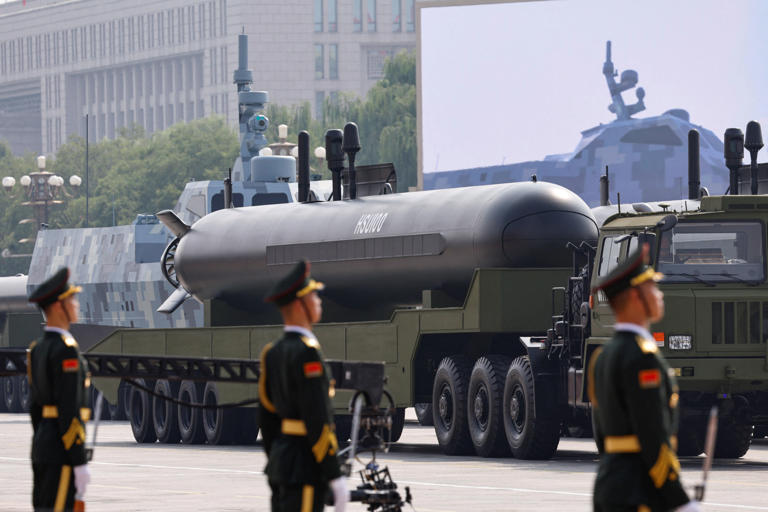
https://www.scmp.com/news/china/science ... king-studyA tech that's not well covered is remote submersible nuclear drones that can sit on station for weeks or months and when activated close on and destroy American ballistic missile submarines. These old subs are easy to track now, they probably have Chinese drones stalking them relentlessly already. The subs are the last line of defense, the doomsday option when all else fails. But like so many older technologies they are outclassed now and vulnerable. Prudence says that when you're up against a Nation with vastly superior technology and numbers the best course of action is to back down.
We're 17 years past the peak now and the 3rd World is going hungry and dark. We'll be next, we're well on the way in fact.





 the facility is supposed to process approximately 90% of the total waste... But that doesn’t cover some of the trickiest waste—a peanut butter–like sludge congealed at the bottoms of the tanks. Work on a separate vitrification plant to deal with that waste was halted in 2012. Only recently has DOE restarted design and engineering work on that facility. If it stays on schedule, it’s expected to begin treating waste in the 2030s, and continue running into the 2070s.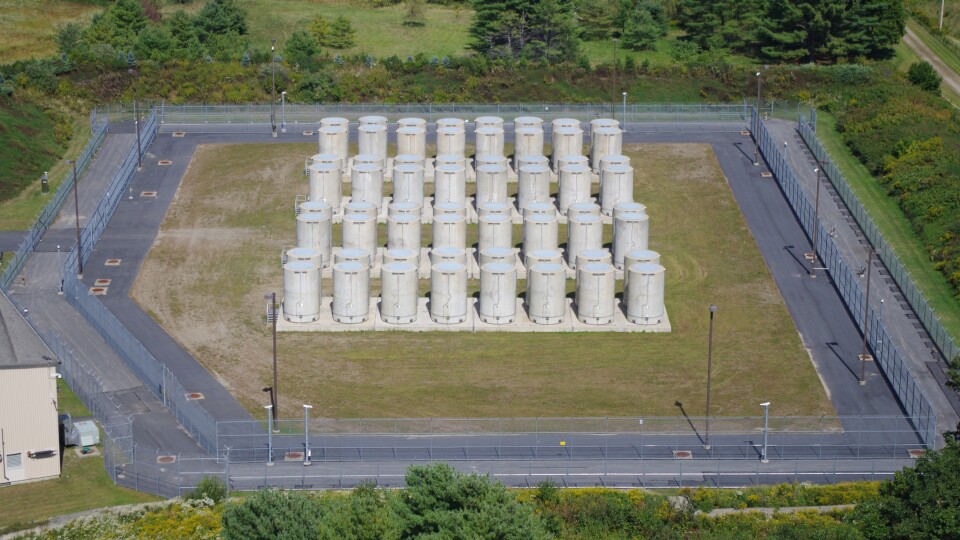








 Oh I know what you're thinking, shallow thoughts, surface thoughts. "Two little carriers, so what?" It's at this point that your mind closes and you daydream of Big American carriers. But read on...