PeakOil is You
THE Self-Driving Car / Ridesharing Thread
Re: THE Self-Driving Car / Ridesharing Thread
 by ennui2 » Sun 25 Sep 2016, 10:10:57
$this->bbcode_second_pass_quote('Outcast_Searcher', '')$this->bbcode_second_pass_quote('pstarr', 'Y')ou have never argued a case well outcaste. Always angry. I almost have you on ignore, but I don't bother.
And you should tell me this because you argue cases well? LOL
And I get the ignore thing. Ignoring everyone outside your echo chamber would make this site seem much more agreeable, I'm sure.
It's worse than that. He's deluded himself into thinking that his positions represent some official stance of the forum and anyone who doesn't subscribe to it is a "troll".
"If the oil price crosses above the Etp maximum oil price curve within the next month, I will leave the forum." --SumYunGai (9/21/2016)
-

ennui2 - Permanently Banned
- Posts: 3920
- Joined: Tue 20 Sep 2011, 10:37:02
- Location: Not on Homeworld
Re: THE Self-Driving Car / Ridesharing Thread
by vox_mundi » Sun 25 Sep 2016, 13:37:54

pstarr
“There are three classes of people: those who see. Those who see when they are shown. Those who do not see.” ― Leonardo da Vinci
Insensible before the wave so soon released by callous fate. Affected most, they understand the least, and understanding, when it comes, invariably arrives too late.
Insensible before the wave so soon released by callous fate. Affected most, they understand the least, and understanding, when it comes, invariably arrives too late.
-

vox_mundi - Intermediate Crude

- Posts: 3939
- Joined: Wed 27 Sep 2006, 03:00:00
Re: THE Self-Driving Car / Ridesharing Thread
by Outcast_Searcher » Sun 25 Sep 2016, 14:47:47
$this->bbcode_second_pass_quote('pstarr', '
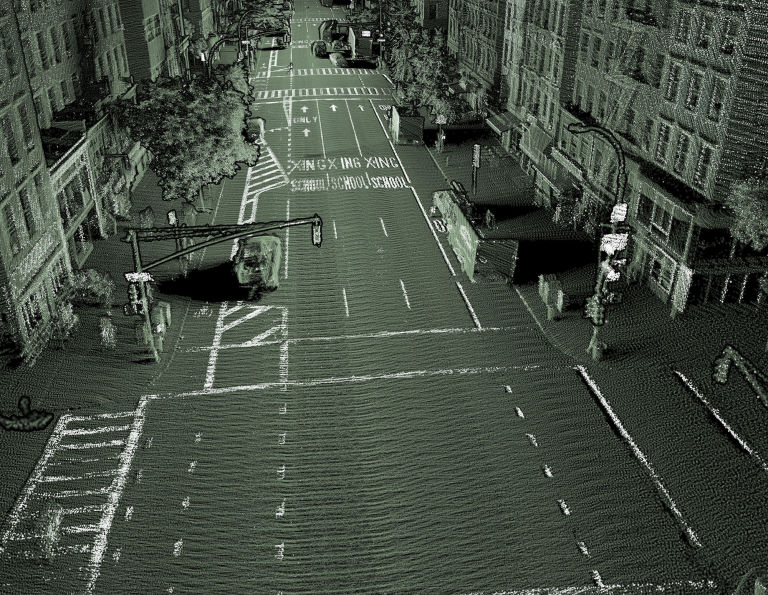
')You fanboys present no evidence that a driverless car will ever navigate a city street, on a dark night, in the rain. Or even in daylight during a sudden thunderstorm. You guys/gals live in an echo chamber with Siri, Hal and a talking Cabbage Patch Doll. Not me lol
')You fanboys present no evidence that a driverless car will ever navigate a city street, on a dark night, in the rain. Or even in daylight during a sudden thunderstorm. You guys/gals live in an echo chamber with Siri, Hal and a talking Cabbage Patch Doll. Not me lol
The entire EV and self-driving car industry is an epic fail - because pstarr thinks so. Just like the economy, BTW. Any evidence from actual experts, people in the industry, people actually building and, increasingly, driving the things are to be ignored because, pstarr doesn't like them.
And anyone who actually follows the mainstream news and all the evidence documenting how these things are progressing is delusional.
Well, the argument speaks for itself.

Given the track record of the perma-doomer blogs, I wouldn't bet a fast crash doomer's money on their predictions.
-

Outcast_Searcher - COB

- Posts: 10142
- Joined: Sat 27 Jun 2009, 21:26:42
- Location: Central KY
Re: THE Self-Driving Car / Ridesharing Thread
by ennui2 » Sun 25 Sep 2016, 15:49:59
$this->bbcode_second_pass_quote('Outcast_Searcher', '')$this->bbcode_second_pass_quote('pstarr', '
')You fanboys present no evidence that a driverless car will ever navigate a city street, on a dark night, in the rain. Or even in daylight during a sudden thunderstorm. You guys/gals live in an echo chamber with Siri, Hal and a talking Cabbage Patch Doll. Not me lol
')You fanboys present no evidence that a driverless car will ever navigate a city street, on a dark night, in the rain. Or even in daylight during a sudden thunderstorm. You guys/gals live in an echo chamber with Siri, Hal and a talking Cabbage Patch Doll. Not me lol
The entire EV and self-driving car industry is an epic fail - because pstarr thinks so. Just like the economy, BTW. Any evidence from actual experts, people in the industry, people actually building and, increasingly, driving the things are to be ignored because, pstarr doesn't like them.
And anyone who actually follows the mainstream news and all the evidence documenting how these things are progressing is delusional.
Well, the argument speaks for itself.
Yep, the only news worth reading is:
GlobalResearch
ZeroHedge
OurFiniteWorld
FleeingVesuvius
ShadowStats
Everything else is just TPTB trying to sell us on consumerism! After all, I saw it in a movie!

"If the oil price crosses above the Etp maximum oil price curve within the next month, I will leave the forum." --SumYunGai (9/21/2016)
-
ennui2 - Permanently Banned
- Posts: 3920
- Joined: Tue 20 Sep 2011, 10:37:02
- Location: Not on Homeworld