I guess that is what I meant by unpredictable geopolitics.



PeakOil is You
 by rockdoc123 » Sun 13 Jul 2014, 11:05:38


by ROCKMAN » Sun 13 Jul 2014, 16:44:05
by Graeme » Thu 11 Sep 2014, 20:46:11


by Pops » Fri 12 Sep 2014, 08:24:09

by westexas » Fri 12 Sep 2014, 08:39:12
by rdberg1957 » Sun 14 Sep 2014, 00:40:29

by JV153 » Sun 14 Sep 2014, 03:52:34
by ralfy » Sun 14 Sep 2014, 05:22:53


by Pops » Sun 14 Sep 2014, 08:15:33

by Synapsid » Sun 14 Sep 2014, 18:24:07

by Graeme » Tue 14 Oct 2014, 19:15:09
by Tanada » Wed 15 Oct 2014, 04:15:31

by Pops » Wed 15 Oct 2014, 09:00:26
by Graeme » Wed 15 Oct 2014, 19:11:56
by Graeme » Thu 16 Oct 2014, 17:18:00
by Graeme » Fri 17 Oct 2014, 16:35:08
by Pops » Sun 19 Oct 2014, 08:47:27
by Graeme » Sun 19 Oct 2014, 17:27:33
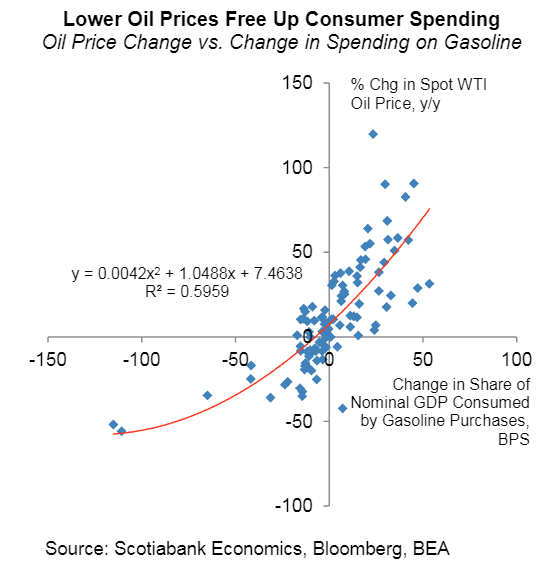
by Graeme » Mon 12 Jan 2015, 21:42:45
by RepublicanfromEngland » Sun 05 Jul 2015, 18:38:55
Return to Peak oil studies, reports & models
Users browsing this forum: No registered users and 15 guests