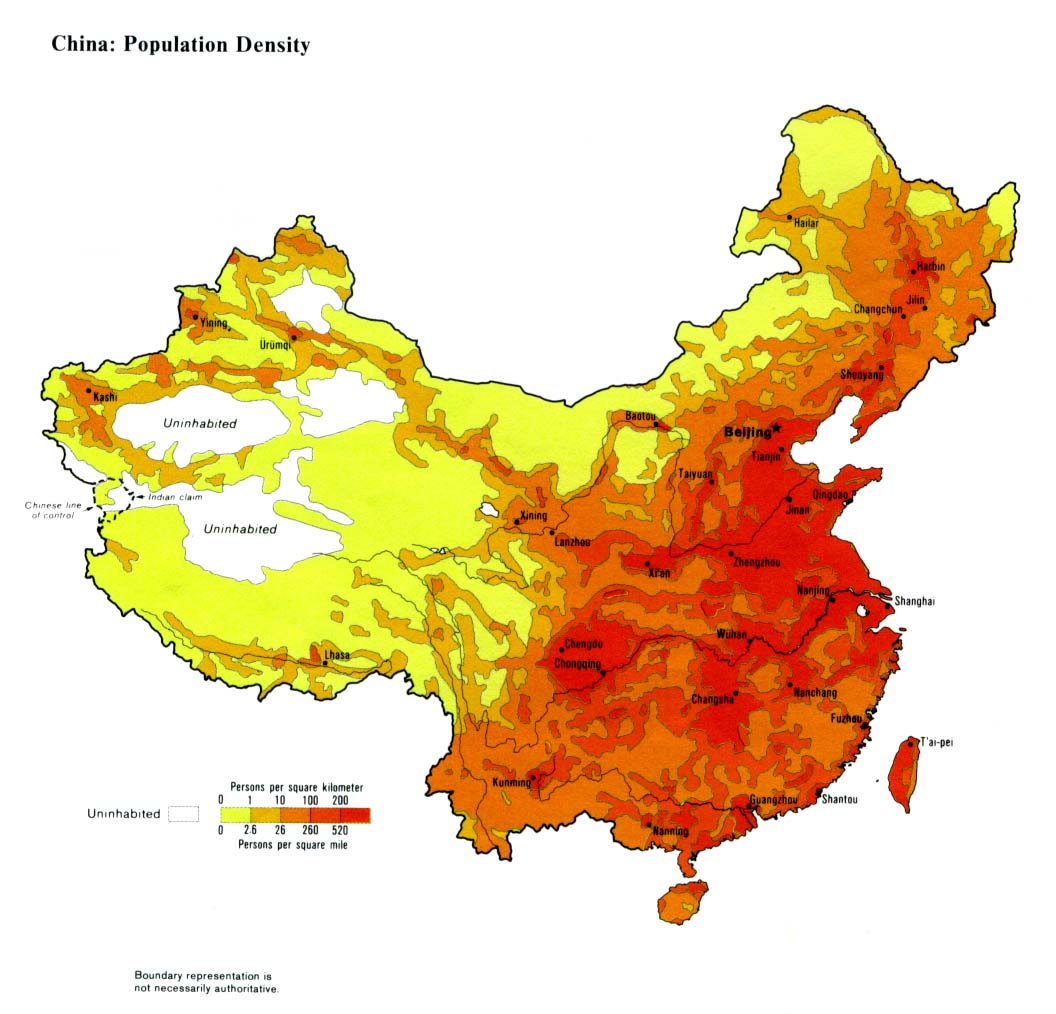
There has been a marked increase in the news coverage regarding bird flu, particularly with H5N1 being found in well over 500 birds the western province of China. If one wants additional details, check the Recombinomics site, or other sites I have linked to in earlier posts. Google News works too.
Dr. Niman is basically suggesting that the Pandemic of 2005 may have begun, and we may be in stage 5 at the moment. If the connection to the Indian meningitus infections and deaths is made, then we are in early stage 6. I honestly don't know. It's readily admitted by most health authorities that we are in Stage 4, however, and definitely within a whisker of 5 at the very least
China abrubtly recalled its envoy to a high level meeting with the Japanese prime minister Koizumi, due to an 'urgent crisis'. This Chinese envoy (a vice-premier) was formerly part of the health ministry overseeing bird flu and SARS efforts, I believe. No other explanation was given and the Japanese were left insulted. This was a meeting to help assuage tensions between China and Japan (which we know at its heart particularly relate to energy use and the balance of power in the region). I also have not forgotten that 10,000 sick from flu in the city near Hong Kong at around the same time, and wonder if they were tested for H5N1...
I found this and some other very interesting photos that will give you an idea of just how serious China is taking this issue, and also to illustrate some cultural aspects of this issue.
There was an important reason I posted the photo about the yaks getting their feet disinfected...which you will realize as I post these other photos..
The dead migratory and other birds in the nature preserve occured last month and earlier this month. Thus, these pictures will speak to themselves about how widespread, and in what forms, the virus may be spreading...

Chinese health workers seal off an infected chicken farm in the hills of Juchao district, July 2004. China has ordered emergency measures to stop the spread of bird flu after discovering some migratory birds had died from the H5N1 virus.(AFP/File)

A Chinese health worker disinfects a motorcycle in the western Chinese town of Qinghai May 22, 2005. China has rushed more than three million doses of bird flu vaccine to the remote western province after migratory birds were found dead in the region from the H5N1 strain which can be fatal to humans, state media said on Monday.
For other pictures as part of a slideshow, and for an important story, go here:
Mass poultry vaccination as Chinese urged not to panic over bird flu-Yahoo News
$this->bbcode_second_pass_quote('', 'B')EIJING (AFP) - China urged people not to panic as it scrambled to vaccinate three million birds in response to the first confirmed outbreak of avian flu in nearly a year.
The massive containment effort was underway in the western province of Qinghai after the government said the deaths of migratory birds there were caused by the H5N1 strain of avian flu, which is potentially lethal to humans.
...
When news first broke about the dead migratory birds earlier this month, an official with the Qinghai provincial administration for wild animals and plants told AFP it was "not bird flu".
On Monday, the same administration said it had jumped to the conclusion because it lacked the experience. [Poster's comment: they have since formally notified intl agencies it was tested to be H5N1]
...
In the ongoing vaccination effort, domesticated birds in the area near Qinghai Lake were vaccinated first, followed by poultry raised close to the migratory route of the birds, according to the China Daily.
From these priority areas, vaccinations would spread to all other parts of Qinghai, the paper reported. The entire province will have been covered in about two days' time, it said.
Some agricultural experts wondered if it would be physically possible to vaccinate so many birds in such a brief period of time.
...
Bird Island, a 0.27-square-kilometre (0.1-square-mile) sanctuary in the middle of Qinghai Lake, was sealed off. Health officials had established two inspection and quarantine stations on the road to the island.
The island is a major interface for contact between humans and birds as large numbers of tourists go there every year to watch its estimated 100,000 swans, cranes and gulls.



 by OilsNotWell » Sun 22 May 2005, 17:39:36

 Yaks in Qinghai province cross a mattress doused in disinfectant as part of aid measures to fight avian flu in the area. - REUTERS




 Chinese Vice Premier Wu Yi. Picture / Reuters
![[smilie=eusa_whistle.gif]](https://udev.peakoil.com/forums/images/smilies/eusa_whistle.gif "eusa_whistle")


