I looked up the 9E gas turbine:
page and
brochure.
It is a 126.1 MW unit, so 2.5 GW from 20 units is correct.
Heat rate is given as 10100 Btu/kWh (10653 kJ/kWh). That is indeed 10,000 gallons per hour - aflatoxin was spot on. That is nearly 4,800 barrels/hour for all 20 units, which is 115 kb/d.
Kuwait's 2006 oil production rate was 2,535 kb/d according to
US EIA IPM Table 4.2, but
Table 1.2 shows a steady decline through the year, with the 2007 average 2,428 kb/d so far. An
all liquids table shows 2006 production of 2,674 kb/d, demand of 524 kb/d and net exports of 2,150 kb/d. I will take that data as reliable, though it is only a snapshot and the ratio will not stay that way for long.
Note also that half of Kuwait's (significant) refinery output is
kerosene and distillates. It is not going to import the fuel, it already produces it for export.
What this shows is that the Sabiya Power Station project, indeed an
emergency addition of baseload (simple cycle no less!), will from Q4 2008 remove over 5% of Kuwait's exports in a step change, until 2011 at the earliest. Thereafter it may switch over to natural gas as planned, or the "temporary" compromise may become permanent, with an addition of steam turbines closing the cycle.
Given this earlier revelation, I believe this is a big deal. Not only because the duration of Kuwait's production plateau has already been greatly shortened (that's the bigger picture, if you will), but because it confirms that significant capacity additions to compensate for internal demand growth are out of the question.
I agree with MD, news of energy-intensive capital investment is coming in regularly from all over the world, and every project makes a contribution to local energy and other commodity demand growth. For example, a new plastics plant in Qatar or KSA removes the opportunity to supply a new plastics plant in the US or France, however lucrative the one-off sale of equipment. However, it is not every day that you get an example with an effect so easy to estimate and so quick and easy to verify.
This particular news snippet was not supposed to happen, internal demand growth projections would not have included it, and it dropped in everyone's lap a week and a half ago out of the blue. This project is
in addition to existing demand growth in transport and manufacturing.
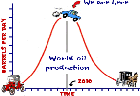
Therefore I would like to bring this to people's attention as an Export Land Effect case study validating the Export Land Model, and also as an interesting unexpected event which I believe will be felt. We at PeakOil.com may in fact be the first to put a number to it, and it will be worth revisiting this in 18 months to check whether it shows up in EIA data. I will be surprised if it does not.