PeakOil is You
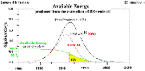
Available Energy
Re: Available Energy
 by sjn » Tue 10 Jun 2008, 12:53:31
$this->bbcode_second_pass_quote('yesplease', '')$this->bbcode_second_pass_quote('Mastodon', '')$this->bbcode_second_pass_quote('yesplease', 'T')he refinery inputs, in terms of electricity and natural gas used, and amount of oil refined were from this California government web page. The high end of the ratio assumes the oil is refined w/ 100% efficiency, and the low end assumes the energy from oil's refined products (including non-fuel) that's available after refining, ~83% according to the EPA IIRC.
I had seen that page, do not understand where/how you arrive at such an eroi figure. Please define....
-

sjn - Elite

- Posts: 1332
- Joined: Wed 09 Mar 2005, 04:00:00
- Location: UK
Re: Available Energy
by yesplease » Tue 10 Jun 2008, 13:14:16
$this->bbcode_second_pass_quote('sjn', '')$this->bbcode_second_pass_quote('yesplease', '')$this->bbcode_second_pass_quote('Mastodon', '')$this->bbcode_second_pass_quote('yesplease', 'T')he refinery inputs, in terms of electricity and natural gas used, and amount of oil refined were from this California government web page. The high end of the ratio assumes the oil is refined w/ 100% efficiency, and the low end assumes the energy from oil's refined products (including non-fuel) that's available after refining, ~83% according to the EPA IIRC.
I had seen that page, do not understand where/how you arrive at such an eroi figure. Please define....
$this->bbcode_second_pass_quote('sjn', 'T')he refinining process is just one stage of the oil production system. This not ERoEI, it merely acts to reduce the overall ERoEI of the system as a whole.




 ) can get it.