PeakOil is You
Uses and Costs of Substituting Natural Gas
Re: Sierra Club comes out against Natural Gas powerplants
 by Roryrules » Wed 30 May 2012, 03:55:03
$this->bbcode_second_pass_quote('SeaGypsy', 'S')o are they giving away free candles? Made from recycled orgainic beeswax?
Of course not, what's nothing wrong with a bit of darkness? After all, that's completely carbon-neutral...
- Roryrules
- Peat

- Posts: 75
- Joined: Sun 08 Jan 2012, 13:26:38
Re: Sierra Club comes out against Natural Gas powerplants
by dorlomin » Wed 30 May 2012, 06:11:16
$this->bbcode_second_pass_quote('SeaGypsy', 'S')o are they giving away free candles? Made from recycled orgainic beeswax?
It takes between 1/5th and 1/10th of the energy to keep a room lit that it did 10 years ago.

I am pretty pro nuclear but will not fully support it until I am convinced the disposal has been properly costed and honestly included in the figures shown to the public for debate. That and an honest look at how big the reserves are.
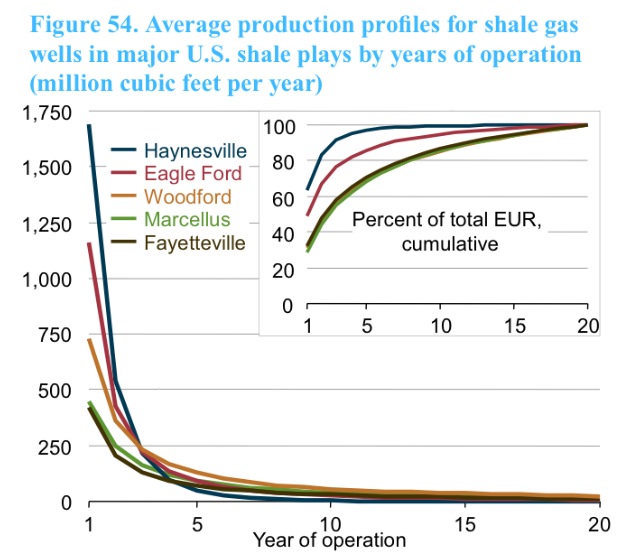
Shale? Hearing a lot of stories about the amount of energy required to get it out and the amount of methane leaking when its being extracted. These are not good from an enviromental perspective. Conventional gas is the best fossil fuel we have and a legitimate 'bridging' technology. Shale.... very doubtful.
-

dorlomin - Light Sweet Crude

- Posts: 5193
- Joined: Sun 05 Aug 2007, 03:00:00
Re: Sierra Club comes out against Natural Gas powerplants
by KingM » Wed 30 May 2012, 07:03:27
$this->bbcode_second_pass_quote('Plantagenet', '')$this->bbcode_second_pass_quote('KingM', 'I')f the Sierra Club were at all serious about protecting the American environment, they would be advocates of immigration curbs in order to stabilize the American population at current levels.
That issue was fought out within the Sierra Club in the 80s. The Sierra Club used to be for zero population growth and in favor of limiting immigration to the US in order to protect the environment, but when they aligned themselves with the Democratic Party in the 80s, they also dropped the ZPG and immigration limits viewpoints, since those positions conflicted with the pro-immigration views of the democratic party in California.
Exactly. It's now a political organization, rather than an environmental organization. To the extent that it can pursue environmental issues and still be aligned with the generally accepted left-wing platform, it will, but if there is a contradiction it will come down on the side of ideology.
-

KingM - Tar Sands

- Posts: 732
- Joined: Tue 30 Aug 2005, 03:00:00
- Location: Second Vermont Republic