PeakOil is You
Peak Permian, Global Peak Oil will happen in 2020's
Re: Peak Permian means Global Peak Oil will happen in 2020
 by Plantagenet » Sun 19 Nov 2017, 20:09:22
$this->bbcode_second_pass_quote('AdamB', 'Y')ou continually moving the goal posts ......
???????
You sure complain a lot.
As far as I'm concerned we're just chatting about various things here.
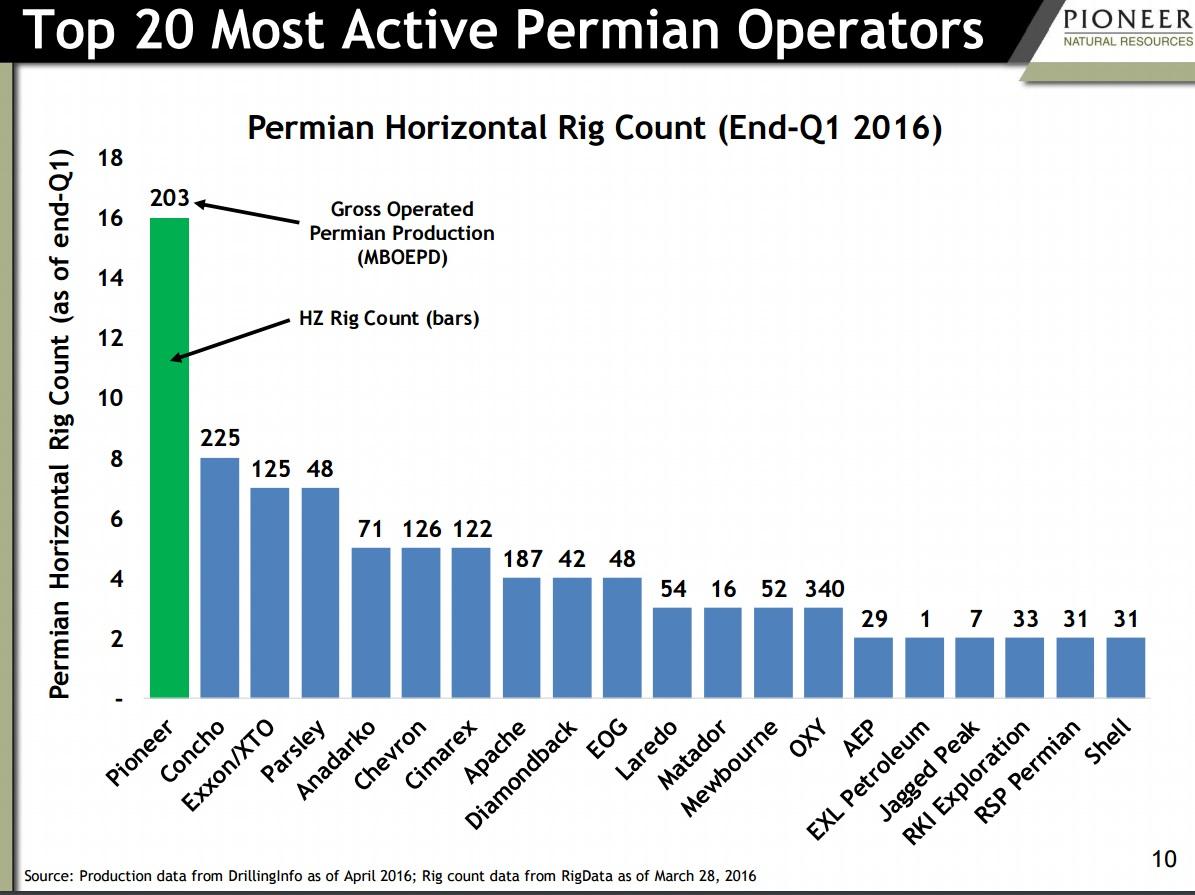
For some reason you got really wound up about my post referring to Pioneer's leading role in developing the tight oil shale resource in the Permian Basin which is described in the 2013 article from the Oil and Gas Journal that I linked to in my post above.
Now you say you agree with the 2013 article in the Oil and Gas Journal that discusses Pioneer's leading role in developing the tight oil resource in the Permian Basin.
Sounds like we've come to a point of agreement. I'm OK with that.
Have a great day!
Cheers!
Never underestimate the ability of Joe Biden to f#@% things up---Barack Obama
-----------------------------------------------------------
Keep running between the raindrops.
-----------------------------------------------------------
Keep running between the raindrops.
-

Plantagenet - Expert

- Posts: 26765
- Joined: Mon 09 Apr 2007, 03:00:00
- Location: Alaska (its much bigger than Texas).
Re: Peak Permian means Global Peak Oil will happen in 2020
by AdamB » Sun 19 Nov 2017, 20:55:30
$this->bbcode_second_pass_quote('Plantagenet', '
')For some reason you got really wound up about my post referring to Pioneer's leading role in developing the tight oil shale resource in the Permian Basin which is described in the 2013 article from the Oil and Gas Journal that I linked to in my post above.
')For some reason you got really wound up about my post referring to Pioneer's leading role in developing the tight oil shale resource in the Permian Basin which is described in the 2013 article from the Oil and Gas Journal that I linked to in my post above.
I am aware that I refuted about every claim you made that you now want to pretend was covered by OGJ. Not the goal post moving claims, but the ones you started with.
$this->bbcode_second_pass_quote('Plantagenet', '
')Now you say you agree with the 2013 article in the Oil and Gas Journal that discusses Pioneer's leading role in developing the tight oil resource in the Permian Basin.
Sounds like we've come to a point of agreement. I'm OK with that.
So we can all agree that OGJ wrote an article, and it certainly doesn't have much to do with all the hyperbole that you then rolled into the topic on your own, sure. Progress!
You might have the luxury of saying whatever comes to your mind, regardless of the history of the basin, who and how and what was developed, but I don't. So maybe I am overly sensitive to people just saying whatever pops into their head and pretending it is true.
Why all the trolling on this topic?
Plant Thu 27 Jul 2023 "Personally I think the IEA is exactly right when they predict peak oil in the 2020s, especially because it matches my own predictions."
Plant Wed 11 Apr 2007 "I think Deffeyes might have nailed it, and we are just past the overall peak in oil production. (Thanksgiving 2005)"
Plant Wed 11 Apr 2007 "I think Deffeyes might have nailed it, and we are just past the overall peak in oil production. (Thanksgiving 2005)"
-

AdamB - Volunteer

- Posts: 11018
- Joined: Mon 28 Dec 2015, 17:10:26
Re: Peak Permian means Global Peak Oil will happen in 2020
by Plantagenet » Sun 19 Nov 2017, 21:18:57
$this->bbcode_second_pass_quote('AdamB', '')$this->bbcode_second_pass_quote('Plantagenet', '
')Now you say you agree with the 2013 article in the Oil and Gas Journal that discusses Pioneer's leading role in developing the tight oil resource in the Permian Basin.
Sounds like we've come to a point of agreement. I'm OK with that.
')Now you say you agree with the 2013 article in the Oil and Gas Journal that discusses Pioneer's leading role in developing the tight oil resource in the Permian Basin.
Sounds like we've come to a point of agreement. I'm OK with that.
So we can all agree that OGJ wrote an article, and it certainly doesn't have much to do with all the hyperbole that you then rolled into the topic on your own, sure.
Yes theres been some hyberbole in our discussion but its been on both sides.
For instance you argued that some wells drilled 50 years ago in the Permian Basin are still productive, so today's production isn't anything new. But those wells from 50 years ago were drilled in a few limited areas where it was possible to produce oil using the methods available 50 years ago. AND after 50 years the few wells that remain active today are most likely stripper wells, with extremely minimal production. Thats clearly a very different thing then the thousands of horizontal wells being drilled and fracked wherever tight oil shales occur across the entire Permian basin by Pioneer and other companies --- wells that today produce over a million barrels of oil per day from tight shales that previously were thought to be unproductive.
Its exactly the same history in the Bakken. There were a few wells drilled decades ago that produced oil from the Bakken. But it wasn't until modern horizontal drilling and fracking methods were introduced that it was possible to produce oil from the tight shales throughout the Bakken formation.
I think we should just agree on what we agree on, and if the only thing we can agree on is the 2013 article in the Oil and Gas Journal that I linked to in my post above because it mentions Pioneer's early efforts to produce oil from tight oil shale during 2009-11 in the Permian basin, then thats OK.
---------------------------------------------
Cheers!
Never underestimate the ability of Joe Biden to f#@% things up---Barack Obama
-----------------------------------------------------------
Keep running between the raindrops.
-----------------------------------------------------------
Keep running between the raindrops.
-
Plantagenet - Expert
- Posts: 26765
- Joined: Mon 09 Apr 2007, 03:00:00
- Location: Alaska (its much bigger than Texas).