America stacked another 67 Rigs this week and Canada even more, 80.
http://phx.corporate-ir.net/External.Fi ... U9MQ==&t=1
Texas was hit hardest with 37 stacked, 22 of them in the Permian Basin.



PeakOil is You
U.S. Oil Rig Count Rises to Highest Level Since 1993
Re: U.S. Oil Rig Count Rises to Highest Level Since 1993
 by Subjectivist » Fri 13 Mar 2015, 18:52:56
II Chronicles 7:14 if my people, who are called by my name, will humble themselves and pray and seek my face and turn from their wicked ways, then I will hear from heaven, and I will forgive their sin and will heal their land.
- Subjectivist
- Volunteer

- Posts: 4705
- Joined: Sat 28 Aug 2010, 07:38:26
- Location: Northwest Ohio
Re: U.S. Oil Rig Count Rises to Highest Level Since 1993
by ROCKMAN » Fri 13 Mar 2015, 21:12:34
dashter - Not sure about your chart. Based on the Baker Hughes numbers just posted that chart appears to be for all of N America...not the US. As of 13 March, as Sub posts, BHI shows 1125 rigs...down 67 from a week ago. And Texas is down 37 to 501 from a week ago.
-

ROCKMAN - Expert

- Posts: 11397
- Joined: Tue 27 May 2008, 03:00:00
- Location: TEXAS
Re: U.S. Oil Rig Count Rises to Highest Level Since 1993
by Tanada » Sat 21 Mar 2015, 14:34:09
More not so good news.
$this->bbcode_second_pass_quote('', 'T')he number of US rig counts fell by 41 last week to 825, according to the latest data from oil driller Baker Hughes. This is the lowest oil rigs in use since March 2011.
Combined oil and gas rigs fell by 56 to 1,069, the lowest since October 2009.
Since hitting a peak of 1,609 in late October, the number of oil rigs is use is down about 49%.
In previous downturns in the price of oil, the number of oil rigs in use has declined by around 40%-60%, according to comments made by Baker Hughes on its first quarter earnings conference call.
And while the market has been looking at the decline in rig count, the bigger story in the oil market may be quickly dwindling amount of storage for the oil that US producers continue to pump out.
Here's the latest chart of the decline in rig count.
http://www.businessinsider.com/baker-hughes-rig-count-march-20-2015-3$this->bbcode_second_pass_quote('', 'T')he number of US rig counts fell by 41 last week to 825, according to the latest data from oil driller Baker Hughes. This is the lowest oil rigs in use since March 2011.
Combined oil and gas rigs fell by 56 to 1,069, the lowest since October 2009.
Since hitting a peak of 1,609 in late October, the number of oil rigs is use is down about 49%.
In previous downturns in the price of oil, the number of oil rigs in use has declined by around 40%-60%, according to comments made by Baker Hughes on its first quarter earnings conference call.
And while the market has been looking at the decline in rig count, the bigger story in the oil market may be quickly dwindling amount of storage for the oil that US producers continue to pump out.
Here's the latest chart of the decline in rig count.
$this->bbcode_second_pass_quote('Alfred Tennyson', 'W')e are not now that strength which in old days
Moved earth and heaven, that which we are, we are;
One equal temper of heroic hearts,
Made weak by time and fate, but strong in will
To strive, to seek, to find, and not to yield.
Moved earth and heaven, that which we are, we are;
One equal temper of heroic hearts,
Made weak by time and fate, but strong in will
To strive, to seek, to find, and not to yield.
- Tanada
- Site Admin

- Posts: 17094
- Joined: Thu 28 Apr 2005, 03:00:00
- Location: South West shore Lake Erie, OH, USA
Re: U.S. Oil Rig Count Rises to Highest Level Since 1993
by Tanada » Sat 28 Mar 2015, 17:00:09
Baker Hughes reports the oil rig count for USA is down another 12 from last week and has fallen a total of 674 from one year ago Friday. Rigs still in service include 92 Directional, 829 Horizontal and 148 Vertical.
http://phx.corporate-ir.net/phoenix.zht ... portsother
http://phx.corporate-ir.net/phoenix.zht ... portsother
$this->bbcode_second_pass_quote('Alfred Tennyson', 'W')e are not now that strength which in old days
Moved earth and heaven, that which we are, we are;
One equal temper of heroic hearts,
Made weak by time and fate, but strong in will
To strive, to seek, to find, and not to yield.
Moved earth and heaven, that which we are, we are;
One equal temper of heroic hearts,
Made weak by time and fate, but strong in will
To strive, to seek, to find, and not to yield.
- Tanada
- Site Admin
- Posts: 17094
- Joined: Thu 28 Apr 2005, 03:00:00
- Location: South West shore Lake Erie, OH, USA
Re: U.S. Oil Rig Count Rises to Highest Level Since 1993
by ROCKMAN » Sat 28 Mar 2015, 20:59:24
T - Good job of keeping tabs on the rig. But : "Rigs still in service include 92 Directional, 829 Horizontal and 148 Vertical." A reminder to avoid confusing folks: the same rig drills vertical, horizontal and directional wells. Wells are permitted as vertical, directional, horizontal, oil or NG. That's the stat that BHU keeps track of...the permits being drilled. Thus the rigs still drilling could be poking nothing but hz wells or none at all. It all depends on what permits the operators choose to drill.
-
ROCKMAN - Expert
- Posts: 11397
- Joined: Tue 27 May 2008, 03:00:00
- Location: TEXAS
Re: U.S. Oil Rig Count Rises to Highest Level Since 1993
by peripato » Sat 28 Mar 2015, 23:10:26
$this->bbcode_second_pass_quote('dashster', '[')img]http://ei.marketwatch.com//Multimedia/2015/02/06/Photos/MG/MW-DF062_us_oil_20150206140155_MG.jpg[/img]
Rig counts hit 5 year low
Rig counts hit 5 year low
Looks like a Seneca Cliff
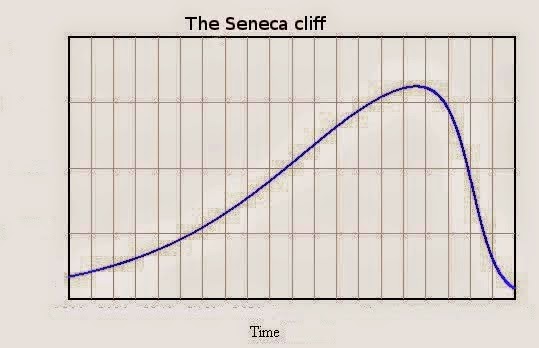
http://bit.ly/1Hd6XSh
"Don’t panic, Wall St. is safe!"
-

peripato - Heavy Crude

- Posts: 1335
- Joined: Tue 03 May 2005, 03:00:00
- Location: Reality

