PeakOil is You
Why did we start burning fossil fuels?
Why did we start burning fossil fuels?
 by DesuMaiden » Sat 08 Nov 2014, 15:52:54
I heard it was because in Europe they were running out of wood, so they decided to burn fossil fuels to make up for the lack of wood. They were using coal at first as a substitute for wood. Coal was burned to produce heat and later electricity. I know that the Industrial Revolution wouldn't have started if it wasn't for the fact that mankind started using fossil fuels. So why did people start burning fossil fuels for energy?
History repeats itself. Just everytime with different characters and players.
- DesuMaiden
- Tar Sands

- Posts: 888
- Joined: Mon 06 Oct 2014, 16:00:31
Re: Why did we start burning fossil fuels?
by dolanbaker » Sat 08 Nov 2014, 16:03:07
The earliest phases of the industrial revolution were water powered. The principal driver was the mechanisation of weaving and some other manufacturing processed and all the factories were originally built next to fast flowing rivers that could be diverted via water wheels to drive the machinery.
The first (that I know of) use of coal for energy rather than heat was for pumping.
The earliest steam engines were developed to pump water out of the coal mines as flooding limited the amount of coal that could be extracted before the mines were abandoned due to flooding.
Once the steam engine was developed, other uses were soon found for it eventually it was used for locomotion and the rest is history.
The first (that I know of) use of coal for energy rather than heat was for pumping.
The earliest steam engines were developed to pump water out of the coal mines as flooding limited the amount of coal that could be extracted before the mines were abandoned due to flooding.
Once the steam engine was developed, other uses were soon found for it eventually it was used for locomotion and the rest is history.
Religion is regarded by the common people as true, by the wise as false, and by rulers as useful.:Anonymous
Our whole economy is based on planned obsolescence.
Hungrymoggy "I am now predicting that Europe will NUKE ITSELF sometime in the first week of January"
Our whole economy is based on planned obsolescence.
Hungrymoggy "I am now predicting that Europe will NUKE ITSELF sometime in the first week of January"
-

dolanbaker - Intermediate Crude

- Posts: 3855
- Joined: Wed 14 Apr 2010, 10:38:47
- Location: Éire
Re: Why did we start burning fossil fuels?
by GregT » Sat 08 Nov 2014, 16:44:09
Coal use by the Chinese can be traced back to 3400 BC. They used it to smelt copper as early as 1000 BC. People have been burning coal ever since they found out that it could be burned. It is even believed that cavemen burned coal for heat.
- GregT
- Coal

- Posts: 409
- Joined: Thu 24 Jan 2013, 21:18:20
- Location: Pacific Northwest
Re: Why did we start burning fossil fuels?
by DesuMaiden » Sat 08 Nov 2014, 16:52:04
$this->bbcode_second_pass_quote('GregT', 'C')oal use by the Chinese can be traced back to 3400 BC. They used it to smelt copper as early as 1000 BC. People have been burning coal ever since they found out that it could be burned. It is even believed that cavemen burned coal for heat.
My bad. I didn't think people started using coal until the late 18th century. I didn't know that people have been using coal for much longer than the beginning of the industrial revolution.
History repeats itself. Just everytime with different characters and players.
- DesuMaiden
- Tar Sands
- Posts: 888
- Joined: Mon 06 Oct 2014, 16:00:31
Re: Why did we start burning fossil fuels?
by ChilPhil1986 » Sun 09 Nov 2014, 00:46:51
Regarding American oil derivatives specifically, the discovery of kerosene distillation was what started the first oil rushes in the latter half of the 19th century. Most people had been using wood, coal, and hard-to-acquire whale oil for lighting and heat. Kerosene provided the first cheap alternative energy source brought the Rockefellars to power.
-

ChilPhil1986 - Wood
- Posts: 46
- Joined: Thu 27 Mar 2014, 00:19:06
Re: Why did we start burning fossil fuels?
by Subjectivist » Sun 09 Nov 2014, 03:24:33
$this->bbcode_second_pass_quote('ChilPhil1986', 'R')egarding American oil derivatives specifically, the discovery of kerosene distillation was what started the first oil rushes in the latter half of the 19th century. Most people had been using wood, coal, and hard-to-acquire whale oil for lighting and heat. Kerosene provided the first cheap alternative energy source brought the Rockefellars to power.
The whale oil thing is actually a myth. In the early to mid 1800's the most common lamp fuel was a blend of distilled alcohol and turpentine made from distilled pine wood. The alcohol made plenty of heat but the flame was invisible, the turpentine the as added to make the flame yellow. Whale oil gave your home a lovely smell when burned in lamps so it was used by the wealthy and on special occasions by the middle class. When the USA broke into Civil War an alcohol tax was passed to fund it and lamp spirits became very expensive. Kerosene, originally distilled from coal, became cheaper than 'lamp spirits' even though it smelled much worse than whale oil. Demand for Kerosene shot way up and those nifty new petroleum wells that had been drilled for lubricants right before the war became very profitable. It took a couple decades before more kerosene was made from petroleum than coal, in most of the 1800's it was called coal oil with good reason.
II Chronicles 7:14 if my people, who are called by my name, will humble themselves and pray and seek my face and turn from their wicked ways, then I will hear from heaven, and I will forgive their sin and will heal their land.
- Subjectivist
- Volunteer
- Posts: 4705
- Joined: Sat 28 Aug 2010, 07:38:26
- Location: Northwest Ohio
Re: Why did we start burning fossil fuels?
by Shaved Monkey » Sun 09 Nov 2014, 07:34:38
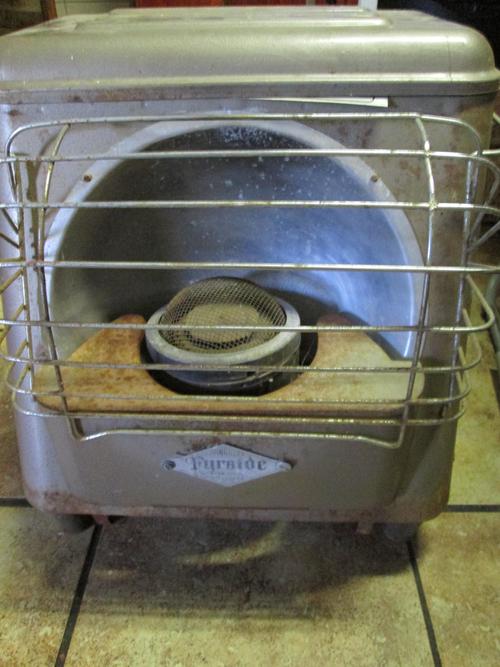
I remember the smell of kerosene heaters when we went to visit our poorer relatives in the 60s
http://a4.img.bidorbuy.co.za/image/uplo ... 08_026.JPG
its amazing more people didnt die
http://a4.img.bidorbuy.co.za/image/uplo ... 08_026.JPG
its amazing more people didnt die
Ready to turn Zombies into WWOOFers
-

Shaved Monkey - Intermediate Crude
- Posts: 2578
- Joined: Wed 30 Mar 2011, 01:43:28
Re: Why did we start burning fossil fuels?
by Strummer » Sun 09 Nov 2014, 07:45:50
- Strummer
- Tar Sands
- Posts: 691
- Joined: Thu 04 Jul 2013, 04:42:14
Re: Why did we start burning fossil fuels?
by dolanbaker » Sun 09 Nov 2014, 08:04:09
$this->bbcode_second_pass_quote('Strummer', 'h')ttp://www.lowtechmagazine.com/2011/09/peat-and-coal-fossil-fuels-in-pre-industrial-times.html
Interesting that the article concentrates on the low countries, we still use turf in commercial quantities here.
http://www.bordnamona.ie/ (the company is diversifying into biomass and alternative energy)
http://youtu.be/hMbTpJYXMy0 this is how we get out turf.
This morning I filled up the turf boiler and now the kids are having a shower that was heated using turf.
Religion is regarded by the common people as true, by the wise as false, and by rulers as useful.:Anonymous
Our whole economy is based on planned obsolescence.
Hungrymoggy "I am now predicting that Europe will NUKE ITSELF sometime in the first week of January"
Our whole economy is based on planned obsolescence.
Hungrymoggy "I am now predicting that Europe will NUKE ITSELF sometime in the first week of January"
-
dolanbaker - Intermediate Crude
- Posts: 3855
- Joined: Wed 14 Apr 2010, 10:38:47
- Location: Éire
Re: Why did we start burning fossil fuels?
by Tanada » Sun 09 Nov 2014, 10:12:21
$this->bbcode_second_pass_quote('dolanbaker', '')$this->bbcode_second_pass_quote('Strummer', 'h')ttp://www.lowtechmagazine.com/2011/09/peat-and-coal-fossil-fuels-in-pre-industrial-times.html
Interesting that the article concentrates on the low countries, we still use turf in commercial quantities here.
http://www.bordnamona.ie/ (the company is diversifying into biomass and alternative energy)
http://youtu.be/hMbTpJYXMy0 this is how we get out turf.
This morning I filled up the turf boiler and now the kids are having a shower that was heated using turf.
Took me a minute to translate, what you call turf we call peat. Not much peat gets burned in the USA, too much wood, coal, oil and natural gas available. How long does it take for the 'turf' to dry so you can burn it efficiently? I used to work as a groundskeeper so when you say Turf I automatically picture sod being laid to cover a bare spot.
http://youtu.be/CL3gcFg668E
A regular strip is rolled and stacked, the surface area unrolled is two meters long and half a meter wide.
$this->bbcode_second_pass_quote('Alfred Tennyson', 'W')e are not now that strength which in old days
Moved earth and heaven, that which we are, we are;
One equal temper of heroic hearts,
Made weak by time and fate, but strong in will
To strive, to seek, to find, and not to yield.
Moved earth and heaven, that which we are, we are;
One equal temper of heroic hearts,
Made weak by time and fate, but strong in will
To strive, to seek, to find, and not to yield.