British engineers produce amazing 'petrol from air' technology
Revolutionary new technology that produces “petrol from air” is being produced by a British firm, it emerged tonight. The company, Air Fuel Synthesis, then uses the carbon dioxide and hydrogen to produce methanol which in turn is passed through a gasoline fuel reactor, creating petrol. http://www.telegraph.co.uk/



PeakOil is You
CO2 + H2O + Energy = synthetic fuel
Re: CO2 + H2O + Energy = synthetic fuel
 by Laromi » Fri 19 Oct 2012, 08:47:34
Last edited by Tanada on Wed 17 Apr 2019, 16:54:14, edited 1 time in total.
Reason: fixed broken URL
Reason: fixed broken URL
- Laromi
- Peat

- Posts: 196
- Joined: Sun 15 Feb 2009, 00:07:25
Re: British engineers produce amazing 'petrol from air' tech
by Shaved Monkey » Fri 19 Oct 2012, 21:13:24
$this->bbcode_second_pass_quote('', 'C')ompany officials say they had produced five litres of petrol in less than three months from a small refinery in Stockton-on-Tees, Teesside.
5 litres in 3 months thats going to take a while, spose its quicker than waiting for fossils to rot.
Ready to turn Zombies into WWOOFers
-

Shaved Monkey - Intermediate Crude

- Posts: 2578
- Joined: Wed 30 Mar 2011, 01:43:28
Re: British engineers produce amazing 'petrol from air' tech
by Keith_McClary » Sat 20 Oct 2012, 00:12:19
$this->bbcode_second_pass_quote('ColossalContrarian', 'A')ll people need to do is to start farting into plastic bags and hooking the plastic bag up to their car. You could even devise an air capture system to go in the driver and passenger seats...
One of our regulars posted a somewhat gross image of a motorcycle version of this concept.Facebook knows you're a dog.
-

Keith_McClary - Light Sweet Crude

- Posts: 7344
- Joined: Wed 21 Jul 2004, 03:00:00
- Location: Suburban tar sands
Re: British engineers produce amazing 'petrol from air' tech
by Graeme » Sat 20 Oct 2012, 02:16:09
Company that made 'petrol from air' breakthrough 'shudders' at prospect of oil industry approaches
$this->bbcode_second_pass_quote('', 'D')espite the interest in the breakthrough, however, the company's founder and principal investor, Professor Tony Marmont, said that he and his business colleagues would not want the oil industry to take a stake in the firm even though it is actively seeking investment partners to finance the next stage of development.
Professor Marmont, who used to work for Shell, put up half of the £1.2m used to set up the company. He said he was close to a deal with a major soft-drinks company interested in using the petrol to power its carbon-neutral vehicles.
"I would shudder at the prospect of an approach from the oil industry. My reaction would be 'I don't want to know' because I'd be fearful they would buy into the business and work to shut it down," he said.
"We've had calls offering us money from all over the world. We've never had that before. We've made the first petrol with our demonstration plant but the next stage is to build a bigger plant capable of producing one tonne of petrol a day, which means we need between £5m and £6m."
$this->bbcode_second_pass_quote('', 'D')espite the interest in the breakthrough, however, the company's founder and principal investor, Professor Tony Marmont, said that he and his business colleagues would not want the oil industry to take a stake in the firm even though it is actively seeking investment partners to finance the next stage of development.
Professor Marmont, who used to work for Shell, put up half of the £1.2m used to set up the company. He said he was close to a deal with a major soft-drinks company interested in using the petrol to power its carbon-neutral vehicles.
"I would shudder at the prospect of an approach from the oil industry. My reaction would be 'I don't want to know' because I'd be fearful they would buy into the business and work to shut it down," he said.
"We've had calls offering us money from all over the world. We've never had that before. We've made the first petrol with our demonstration plant but the next stage is to build a bigger plant capable of producing one tonne of petrol a day, which means we need between £5m and £6m."
independent
Human history becomes more and more a race between education and catastrophe. H. G. Wells.
Fatih Birol's motto: leave oil before it leaves us.
Fatih Birol's motto: leave oil before it leaves us.
-

Graeme - Fusion

- Posts: 13258
- Joined: Fri 04 Mar 2005, 04:00:00
- Location: New Zealand
Re: British engineers produce amazing 'petrol from air' tech
by autonomous » Sat 20 Oct 2012, 15:37:14
$this->bbcode_second_pass_quote('ColossalContrarian', '
')All people need to do is to start farting into plastic bags and hooking the plastic bag up to their car. You could even devise an air capture system to go in the driver and passenger seats..
')All people need to do is to start farting into plastic bags and hooking the plastic bag up to their car. You could even devise an air capture system to go in the driver and passenger seats..
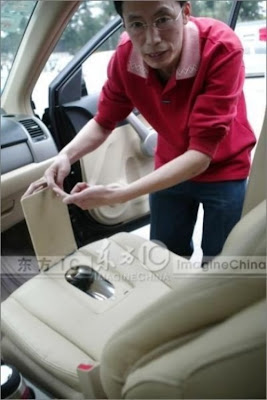
Nothing new here, people have a strange obsession for this sort of thing:


-

autonomous - Peat
- Posts: 186
- Joined: Mon 14 Nov 2011, 15:08:25