PeakOil is You
THE International Monetary Fund Thread (merged)
Re: IMF oil price shock warning! >130$/b
 by americandream » Wed 13 Apr 2011, 02:09:32
$this->bbcode_second_pass_quote('yeahbut', '')$this->bbcode_second_pass_quote('americandream', 'V')ery little public transport out here in the sticks (most of the South Island ie)
True. No doubt all kinds of changes will be forced on us, and they will be different from region to region. Lots of them wont be much fun, I'm sure. I have to drive a lot for my job, and it starts to hurt about now, price-wise. Nevertheless, I still say bring it on. I see no factor other than money that the majority of the public respond to- hence the Nats can buy an election with tax cuts, or Labour with interest-free student loans, etc. If that's what it takes to get changes in mindless consumerism, then that's what it takes.
$this->bbcode_second_pass_quote('', 'W')hat's with the Americanism, "gas", mate?
1)who cares?
2)ever 'stopped for gas'? ever 'gassed up' the car? I have..
3)nothing like being called on your koiwoi-ness by a non-native

4)ok "american dream"

Mate, you lost the right to deem South Africans non-natives when you stole our sports players.
 . C'mon mate. No one in the Anglo-Saxon world uses the word "gas" when referring to petrol. You're on a slippery slope here. Next thing we know, you'll be zeeing your zeds, if you haven't already!!
On a serious note, New Zealand is busted big time. Whether it is oil or our addiction to debt, there's some serious belt tightening ahead, and motoring will take a hit. Problem is out here in the sticks, public transport is zero and I daren't cycle on the busier roads.
- americandream
- Permanently Banned
- Posts: 8650
- Joined: Mon 18 Oct 2004, 03:00:00
Re: IMF oil price shock warning! >130$/b
by dolanbaker » Wed 13 Apr 2011, 05:14:37
$this->bbcode_second_pass_quote('', 'W')hether it is oil or our addiction to debt, there's some serious belt tightening ahead, and motoring will take a hit. Problem is out here in the sticks, public transport is zero and I daren't cycle on the busier roads.
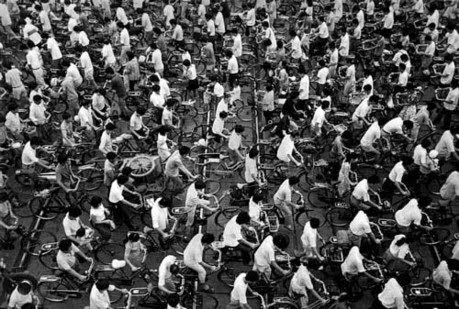
If things get really bad, the main roads will be relatively safe as most of the other motorists will be in the same boat! It will be like a 1970s chinese motorway.
Religion is regarded by the common people as true, by the wise as false, and by rulers as useful.:Anonymous
Our whole economy is based on planned obsolescence.
Hungrymoggy "I am now predicting that Europe will NUKE ITSELF sometime in the first week of January"
Our whole economy is based on planned obsolescence.
Hungrymoggy "I am now predicting that Europe will NUKE ITSELF sometime in the first week of January"
-

dolanbaker - Intermediate Crude

- Posts: 3855
- Joined: Wed 14 Apr 2010, 10:38:47
- Location: Éire

 ever run out of gas? how about just been 'gassed' when you're all out of energy? that linguistic train left the station a long, long time ago. America is a language generator. Check out Bill Bryson's 'Made in America'- it's incredible how much of our way of speaking, including hundreds upon hundreds of verbs, is straight from the States.