$this->bbcode_second_pass_quote('Plantagenet', 'T')he Chinese care a great deal about peak oil.
Why do you think they are buying commodities and oil and building wind farms and doing everything they can do to get their society as ready as possible for the future?



PeakOil is You
Jobless America Can't Survive $90 Oil
Re: Jobless America Can't Survive $90 Oil
 by Sixstrings » Sat 04 Dec 2010, 22:21:30
I'm talking about regular folks.. like those of us on this forum, we have regular folks from the US, Canada, Australia, UK, NZ, Norway, Sweden, France, etc..
And yet, not once have I ever read a Chinese or Indian national post in the welcome thread and say they live in Asia and they're concerned about resource depletion. When you were in China Plant, did you see folks cutting back or building more, more, and more?
Last edited by Sixstrings on Sat 04 Dec 2010, 22:34:19, edited 1 time in total.
-

Sixstrings - Fusion

- Posts: 15160
- Joined: Tue 08 Jul 2008, 03:00:00
Re: Jobless America Can't Survive $90 Oil
by Plantagenet » Sat 04 Dec 2010, 22:22:28
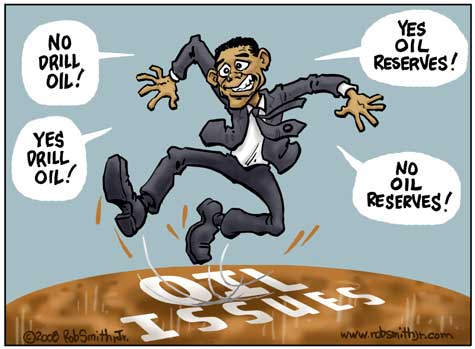
$this->bbcode_second_pass_quote('Sixstrings', '')$this->bbcode_second_pass_quote('Plantagenet', 'I')t takes about 10 YEARS to develop an offshore oil field. The idea that we can close down our offshore oil industry now only to suddenly call on them to rehire the workers and rebuild the rigs and spring to action to "tap" our last reserves years from now when the whole world is falling apart isn't going to work.
Plant that just doesn't make sense to say since oil is peaking, we need to get out there right and drill up every last bit of what's left.
How the heck do you expect to build solar plants, wind farms and nuclear power plants, new smart transmission grid and electric intercity rail and light rail commuter lines and the other new infrastruture we need right now to deal with the peak oil crisis if the US continues to not have an energy policy, doesn't take the necessary steps to have a strong economy, and won't face up to the peak oil problem....?
We don't have more years to waste on more failed efforts to prop up BAU by deficit spending our way to prosperity as Obama has been trying to do for the last two years.
-

Plantagenet - Expert

- Posts: 26765
- Joined: Mon 09 Apr 2007, 03:00:00
- Location: Alaska (its much bigger than Texas).
Re: Jobless America Can't Survive $90 Oil
by Sixstrings » Sat 04 Dec 2010, 22:28:15
$this->bbcode_second_pass_quote('Plantagenet', 'H')ow the heck do you expect to build solar plants, wind farms and nuclear power plants, new smart transmission grid and electric intercity rail and light rail commuter lines and the other new infrastruture we need right now to deal with the peak oil crisis if the US continues to not have an energy policy, doesn't take the necessary steps to have a strong economy, and won't face up to the peak oil problem....?
We could pack windmills on the roof of every Walmart, Home Depot, and Bed Bath & Beyond and that still won't change the fact that the OIL WILL RUN OUT one day.
Even if not used for transportation, we'll always need oil for things like plastics and medication. Oil is peaking Plant, it's a finite resource that cannot be replaced -- if we have a tiny bit off of Florida let's just keep in the ground for a while. It will only become more valuable over time, there's no reason to eat all the seed corn right now right this second.
And besides.. it's not like we can't build windmills without Florida oil -- we import most of our oil and will continue to do so until the day it runs out for good. Whatever little bit of untapped reserves we have left should be saved for future generations.
-
Sixstrings - Fusion
- Posts: 15160
- Joined: Tue 08 Jul 2008, 03:00:00