.
The prelude is supposed to locate off shore Northern Australia , its to avoid a mountain of regulations , local taxes , hassles with the land rights and quite expensive labor costs ,
being able to be re located elsewhere quickly is interesting , we've had a self contained floating hotel
last time I heard about it it was in Saigon , they needed a luxury hotel and this one came all ready
on the Frigg field off Norway , like two hundred others , I was commuting twice a day from one platform to another , one miles away .
Later , the "live- in " platform was brought closer , a footbridge was connected , that was much better
helicopters and the oil industry have a long , intense and sometimes tragic history together



PeakOil is You
LNG pt. 1 (merged)
Re: FLNG - Floating Liquified Natural Gas
 by sparky » Tue 23 Dec 2014, 14:52:50
-

sparky - Intermediate Crude

- Posts: 3587
- Joined: Mon 09 Apr 2007, 03:00:00
- Location: Sydney , OZ
Re: FLNG - Floating Liquified Natural Gas
by KaiserJeep » Wed 24 Dec 2014, 09:04:39
What I was actually looking forward to, was a discussion of how appropriate this technology was.
I have no doubt, fleets of like vessels will be effective at collecting gas from the ocean floor, concentrating it, and sending it to remote markets to burn. I have no doubt, the overall energy output will only release about half the carbon dioxide that would be spewed by coal plants producing the same amount of power.
No doubt, it will also leak a fair amount of methane directly into the atmosphere from the production wells themselves. Since methane is an even more potent greenhouse gas than carbon dioxide, hundreds of these Southern Hemisphere gas production vessels, unencumbered by any form of environmental regulation because they do not produce anything within the waters regulated by any country, may well warm the Southern Hemisphere even more than burning such huge amounts of gas warms the Northern Hemisphere energy markets.
Here is the Kewaunee Nuclear Generating Station, which I recently encountered while scouting the Lake Michigan shoreline for a potential home site:
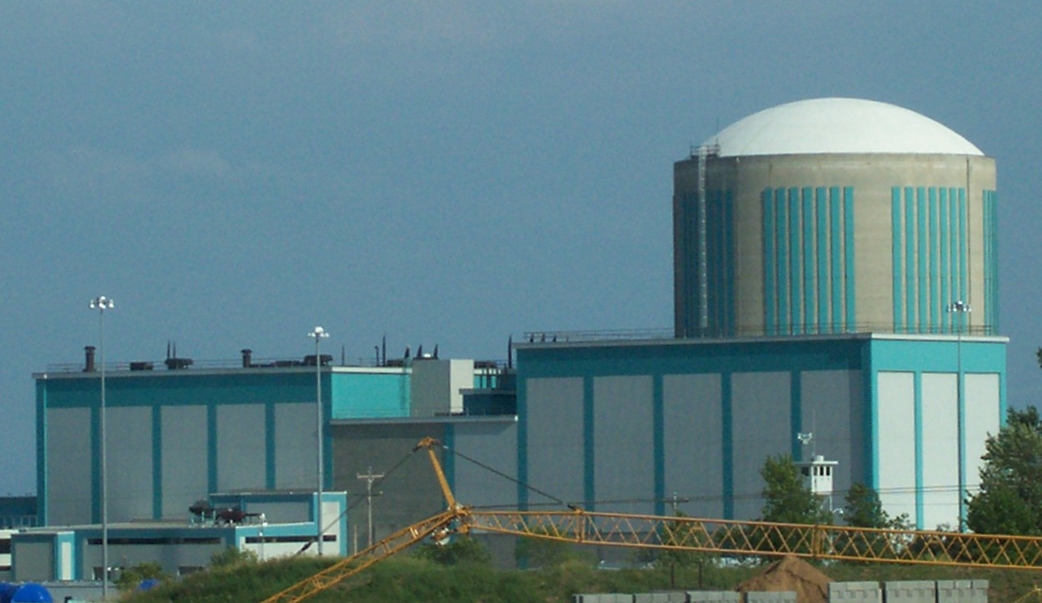
This power station has a perfect operating record, but was closed in 2013 because it could not compete with the cost of electricity generated from fracked natural gas.
Some of you no doubt approve. However we replaced electrical power generated by nuclear energy (15% of the carbon dioxide produced by coal) with natural gas (50% of the carbon dioxide produced by burning coal). Thus carbon dioxide emitted by electricity generation increased 333%. Multiply that by all the idled nuclear stations in the USA, and this country has gouged a large wound into the globe - as did both Germany and Japan, when they both stopped using nukes. NONE of these three large energy consuming countries replaced nuclear with renewable energy, gas and coal pretty much made up the difference.
I cannot help thinking that this was not a good change.
I have no doubt, fleets of like vessels will be effective at collecting gas from the ocean floor, concentrating it, and sending it to remote markets to burn. I have no doubt, the overall energy output will only release about half the carbon dioxide that would be spewed by coal plants producing the same amount of power.
No doubt, it will also leak a fair amount of methane directly into the atmosphere from the production wells themselves. Since methane is an even more potent greenhouse gas than carbon dioxide, hundreds of these Southern Hemisphere gas production vessels, unencumbered by any form of environmental regulation because they do not produce anything within the waters regulated by any country, may well warm the Southern Hemisphere even more than burning such huge amounts of gas warms the Northern Hemisphere energy markets.
Here is the Kewaunee Nuclear Generating Station, which I recently encountered while scouting the Lake Michigan shoreline for a potential home site:
This power station has a perfect operating record, but was closed in 2013 because it could not compete with the cost of electricity generated from fracked natural gas.
Some of you no doubt approve. However we replaced electrical power generated by nuclear energy (15% of the carbon dioxide produced by coal) with natural gas (50% of the carbon dioxide produced by burning coal). Thus carbon dioxide emitted by electricity generation increased 333%. Multiply that by all the idled nuclear stations in the USA, and this country has gouged a large wound into the globe - as did both Germany and Japan, when they both stopped using nukes. NONE of these three large energy consuming countries replaced nuclear with renewable energy, gas and coal pretty much made up the difference.
I cannot help thinking that this was not a good change.
KaiserJeep 2.0, Neural Subnode 0010 0000 0001 0110 - 1001 0011 0011, Tertiary Adjunct to Unimatrix 0000 0000 0001
Resistance is Futile, YOU will be Assimilated.
Warning: Messages timestamped before April 1, 2016, 06:00 PST were posted by the unmodified human KaiserJeep 1.0
Resistance is Futile, YOU will be Assimilated.
Warning: Messages timestamped before April 1, 2016, 06:00 PST were posted by the unmodified human KaiserJeep 1.0
- KaiserJeep
- Light Sweet Crude

- Posts: 6094
- Joined: Tue 06 Aug 2013, 17:16:32
- Location: Wisconsin's Dreamland
Re: FLNG - Floating Liquified Natural Gas
by Newfie » Wed 24 Dec 2014, 09:59:07
-

Newfie - Forum Moderator
- Posts: 18651
- Joined: Thu 15 Nov 2007, 04:00:00
- Location: Between Canada and Carribean
Re: FLNG - Floating Liquified Natural Gas
by Tanada » Wed 24 Dec 2014, 10:03:40
Merged Upon Request, Merry Christmas!
$this->bbcode_second_pass_quote('Alfred Tennyson', 'W')e are not now that strength which in old days
Moved earth and heaven, that which we are, we are;
One equal temper of heroic hearts,
Made weak by time and fate, but strong in will
To strive, to seek, to find, and not to yield.
Moved earth and heaven, that which we are, we are;
One equal temper of heroic hearts,
Made weak by time and fate, but strong in will
To strive, to seek, to find, and not to yield.
- Tanada
- Site Admin

- Posts: 17094
- Joined: Thu 28 Apr 2005, 03:00:00
- Location: South West shore Lake Erie, OH, USA
Norway's Arctic gas pipeline expansion cheaper than LNG
by Tom Kirkman » Mon 29 Jun 2020, 08:36:05
Please allow me to ruffle some feathers, as I continue to ignore the panic-mongering about oil & gas running out.
Expansion of oil & gas infrastructure continues, regardless of any narrative to the contrary.
So let's have a look at Norway, and what they are planning to do to increase their exports of their natural gas resources in the Arctic.
Natural gas pipelines are generally cheaper than conversion to LNG.
This article does a good job in breaking down the numbers for the costs of natural gas pipeline expansion vs. LNG for Norway's Arctic natural gas resources.
=======================================
Rystad Energy: Gassco’s pipeline option far cheaper than LNG alternative
$this->bbcode_second_pass_quote('', 'A') Rystad Energy cost analysis of the Norwegian pipeline operator Gassco’s proposed options to export the country’s Arctic natural gas resources, shows that the expansion of Norway’s pipeline infrastructure is a more viable solution compared to boosting the capacity of the existing Hammerfest liquefied natural gas (LNG) plant. However, at least 40 billion m3 of additional resources from new discoveries would be needed in order to justify such an initiative.
At present, the Hammerfest LNG terminal only has 7.4 billion m3/y of LNG export capacity, and this limit is expected to be reached in 2026 as gas production in the region will exceed export capacity. The terminal was built to accommodate the gas discoveries of the 1980s, but since then new discoveries have added up. Rystad Energy estimates the remaining discovered natural gas resources in the Barents Sea at around 90 billion m3.
If Norway’s gas resources in the Barents are to be further developed and exploited, there are two main options to reach markets: either build a major new gas pipeline as a link to existing infrastructure in the Norwegian Sea or increase LNG capacity at Hammerfest. If export capacity limits are not increased, projects will have to be phased so as to fill pipeline capacity as it becomes available, destroying substantial value. ...
... The winner:
A new pipeline export route wins out in terms of offering the lowest cost, on a per unit basis, for additional gas export volumes.
Assuming the pipeline were to utilise the simpler processing or even the more expensive expansion of an existing processing plant, this project would still realise gas costs of around US$1 per million Btu, a lower cost export solution with any capacity up to 30 million cmd. This would allow for a further 5 million cmd of yet-to-be discovered and developed resources to be sent through the conduit.
Expansion of oil & gas infrastructure continues, regardless of any narrative to the contrary.
So let's have a look at Norway, and what they are planning to do to increase their exports of their natural gas resources in the Arctic.
Natural gas pipelines are generally cheaper than conversion to LNG.
This article does a good job in breaking down the numbers for the costs of natural gas pipeline expansion vs. LNG for Norway's Arctic natural gas resources.
=======================================
Rystad Energy: Gassco’s pipeline option far cheaper than LNG alternative
$this->bbcode_second_pass_quote('', 'A') Rystad Energy cost analysis of the Norwegian pipeline operator Gassco’s proposed options to export the country’s Arctic natural gas resources, shows that the expansion of Norway’s pipeline infrastructure is a more viable solution compared to boosting the capacity of the existing Hammerfest liquefied natural gas (LNG) plant. However, at least 40 billion m3 of additional resources from new discoveries would be needed in order to justify such an initiative.
At present, the Hammerfest LNG terminal only has 7.4 billion m3/y of LNG export capacity, and this limit is expected to be reached in 2026 as gas production in the region will exceed export capacity. The terminal was built to accommodate the gas discoveries of the 1980s, but since then new discoveries have added up. Rystad Energy estimates the remaining discovered natural gas resources in the Barents Sea at around 90 billion m3.
If Norway’s gas resources in the Barents are to be further developed and exploited, there are two main options to reach markets: either build a major new gas pipeline as a link to existing infrastructure in the Norwegian Sea or increase LNG capacity at Hammerfest. If export capacity limits are not increased, projects will have to be phased so as to fill pipeline capacity as it becomes available, destroying substantial value. ...
... The winner:
A new pipeline export route wins out in terms of offering the lowest cost, on a per unit basis, for additional gas export volumes.
Assuming the pipeline were to utilise the simpler processing or even the more expensive expansion of an existing processing plant, this project would still realise gas costs of around US$1 per million Btu, a lower cost export solution with any capacity up to 30 million cmd. This would allow for a further 5 million cmd of yet-to-be discovered and developed resources to be sent through the conduit.
-

Tom Kirkman - Wood

- Posts: 13
- Joined: Fri 19 Jun 2020, 06:27:07
Re: Norway's Arctic gas pipeline expansion cheaper than LNG
by coffeeguyzz » Mon 29 Jun 2020, 10:36:14
Greetings, Mr. Kirkman.
Always great to see informative contributions and I hope that you are able to continue with your excellent data postings on this site.
As Groningen's 1 Bcfd contributions will cease after 2 more winters, it will be interesting to see how all this market jockeying will pan out.
France's nuclear plants expect a curtailed output this fall, raising concerns about electricity pricing this coming winter.
Adequate supply of natty - whether piped or in LNG form - may assume greater attention amongst the European markets when/if the people wake up one day and it is simply not there.
Best regards to you and hope things are going well.
Always great to see informative contributions and I hope that you are able to continue with your excellent data postings on this site.
As Groningen's 1 Bcfd contributions will cease after 2 more winters, it will be interesting to see how all this market jockeying will pan out.
France's nuclear plants expect a curtailed output this fall, raising concerns about electricity pricing this coming winter.
Adequate supply of natty - whether piped or in LNG form - may assume greater attention amongst the European markets when/if the people wake up one day and it is simply not there.
Best regards to you and hope things are going well.
- coffeeguyzz
- Lignite
- Posts: 326
- Joined: Mon 27 Oct 2014, 16:09:47
Re: Norway's Arctic gas pipeline expansion cheaper than LNG
by Tom Kirkman » Mon 29 Jun 2020, 14:16:36
$this->bbcode_second_pass_quote('coffeeguyzz', 'G')reetings, Mr. Kirkman.
Always great to see informative contributions and I hope that you are able to continue with your excellent data postings on this site.
Always great to see informative contributions and I hope that you are able to continue with your excellent data postings on this site.
Thanks for your kind words coffeeguyzz. Do I know you from the Oil Price forum? If so, Mike Shellman is still posting on LinkedIn, along with Enno. Don Minter has apparently risen from the dead and has made a surprise appearance back on LinkedIn as well this week, commenting about the Chesapeake Energy bankruptcy. Pretty sure Don was shadowbanned on LinkedIn for a while, just like I was for a while, off and on again. Mike and Don were fellow moderators with me on the now defunct Oilpro forum, which had over 1 million registered members. Sadly, nothing has come close to replacing the old Oilpro forum in its heyday.
Since I am a noob on this forum, and also not a moderator here, hopefully I can have some fun posting pro oil & gas articles here.
Will I get in trouble posting some of my memes on this forum? My Xi / Winnie the Pooh series of memes always got the attention of CCP supporters.


-
Tom Kirkman - Wood
- Posts: 13
- Joined: Fri 19 Jun 2020, 06:27:07
Who is online
Users browsing this forum: No registered users and 174 guests