
Peak Oil is You

Donate Bitcoins ;-) or Paypal :-)


Page added on January 31, 2021

The Great Pause Week 46: Wolf Kill
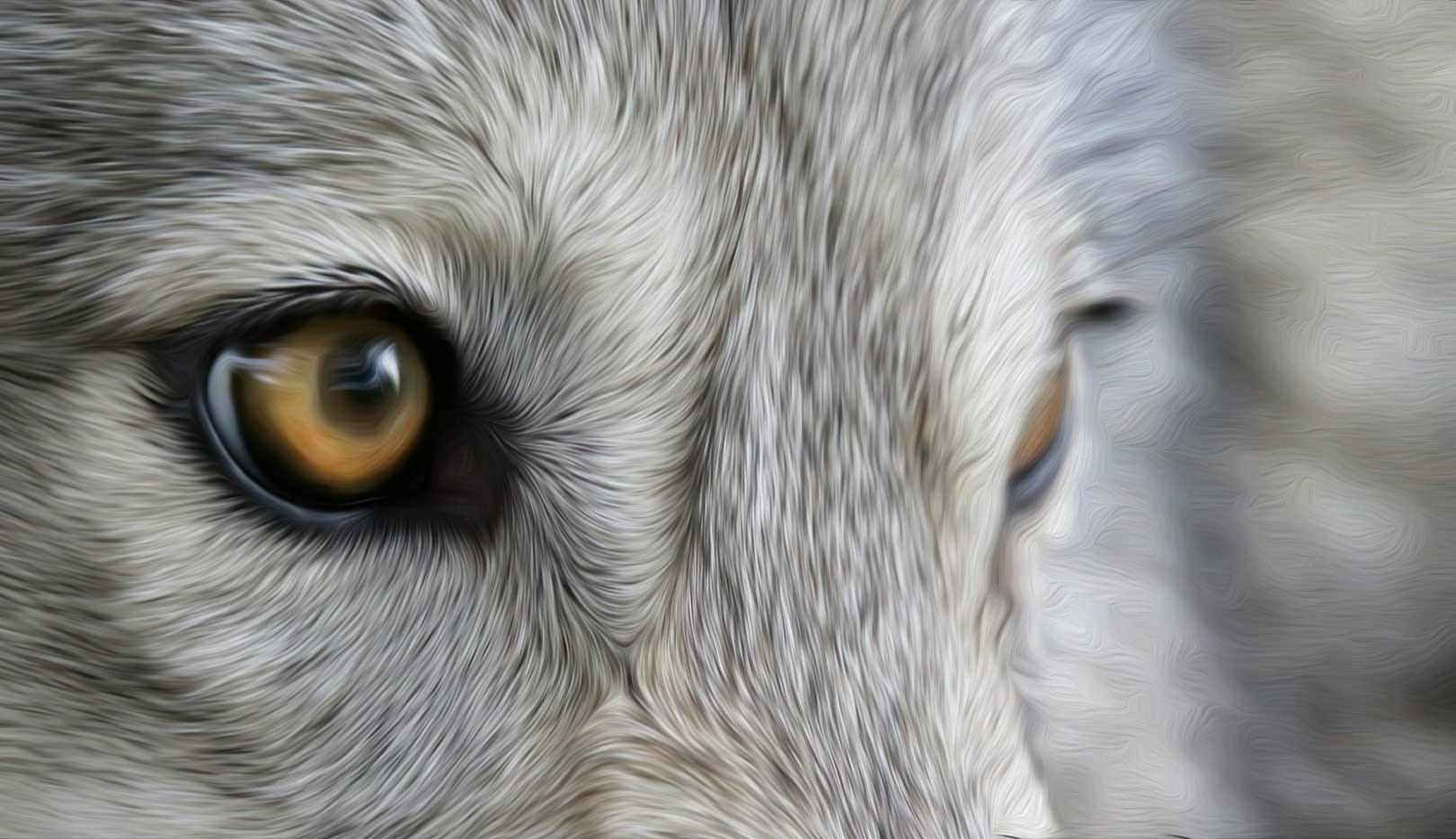
“In 2020, federal protection for the gray wolf was removed entirely. Now the entire species teeters on the brink of extinction.“
In August 2019, seven game wardens in black Kevlar body armor descended upon a remote mountain valley home in Northern California to issue an arrest warrant on a 23-year-old, sixth generation rancher. Mobile phone signals from local cell towers had placed the young man near the location where a wolf, tagged with a GPS collar, had been shot and killed. A few days before the wolf was shot, it had been spotted feeding on a calf that had died in a mountain pasture.
The two-year-old male gray wolf was known to the wardens as OR59 — the 59th wild wolf GPS-collared in Oregon. Now 500 miles from his home pack, the young gray had entered California along snowy trails of lava gravel, descending to the valley through juniper and sage, and was likely hunting for rodents until it had caught the scent of a dead cow.
Wolves began re-migrating into Northern California from Idaho, Washington, Oregon, Montana, and Wyoming after California listed them endangered in 2014, ending their legal killing. The killing didn’t end in those other states, however. In the three years prior to OR59’s arrival, thirty-one wolves were shot by ranchers in Oregon and Washington where they are not legally protected.
California ranchers and hunters were outraged by the protection law, thinking wolf numbers would grow as they decimated herds of wild deer and elk, then encroach on ranches to feed on sheep, cattle, and poultry. “I can’t believe you guys would waste your time to investigate somebody for shooting a miserable wolf,” the grandfather of the young man told the arresting wardens.
“I’m not raising cattle to feed the wolves,” said a neighboring rancher. On social media locals were bragging of their kills, using the code “SSS” — Shoot. Shovel. Shut up.
“I don’t know you’d find a whole lot of people up here upset at someone shooting a wolf,” the local sheriff told the wardens, “especially after it’s been seen feeding on a calf.”
Wolves have evolved to self-regulate their pack sizes based on available food. Where populations of prey are limited, packs stay small by individuals out-migrating or breeding less.
Ranches within the hunting range of OR59 run some 100,000 head of cattle, much of that on state- or federally-owned lands like the mountain pasture where OR59 was first seen. The dead cow he was later scavenging was actually struck by a car and had died near the roadside before the wolf found it. This is most often how wild wolves prey on domestic livestock. As solitary hunters or in very small packs, they are unwilling to expend the energy or physically risk engaging in the combat required to bring down large, healthy animals.
Under normal conditions, wolves key-in on prey that is meek, infirm, or vulnerable. They are predisposed, by instinct and learned behavior, to go for animals that are easier to kill rather than those at peak physical strength. In this way they effect a valuable balance. They cull animals suffering viral, parasitic and vector-borne infections. Indirectly, they reduce the populations of ticks, mosquitoes, fleas, and other carriers of disease. Wolves quell epidemics.
Chronic wasting disease (CWD) is an always fatal, contagious, neurological infection striking deer, elk, and moose. It turns their brains to spongy mush, causing emaciation, abnormal behavior, loss of bodily functions and death. Studies of monkeys and laboratory mice that carry human genes show that CWD may eventually jump to humans through contaminated food or touching infected surfaces. Unless, that is, wolves, cougars, bears and other top predators are allowed to keep the disease in check among the herds of wild prey. Since it arrived in 1967, CWD has spread geographically, but its worst outbreaks are likely yet to come.
Wolves in North America were rescued from the brink of extinction in the 1970s by the Endangered Species Act, but in 2011, ”management” was transferred to the states. In the following years, more than 5,000 wolves were slaughtered in just seven states, even as the CWD epidemic spread. In 2020, federal protection for the gray wolf was removed entirely. Now the entire species teeters on the brink of extinction.
Wyoming is known for having the most notoriously-hostile attitude toward wolves in North America, with the possible exception of Alaska. In over 85 percent of Wyoming, “lobos,” like coyotes, can be killed year-round for any reason, no questions asked. And with the culling of wolves, CWD has been rapidly spreading westward across the West, infecting and killing mule deer and white-tailed deer.
Nearby Montana allows unlimited wolf harvest outside parks. “[P]robably not the best ecological strategy for containing CWD,” says biologist Dr. Gary J. Wolfe. Living in a free fire zone is no fun, so it should be little wonder grays like OR59 are moving to California.
In The Botany of Desire, Michael Pollan described how the evolutionary strategy of certain plants — apples, maize, marijuana — allowed them to proliferate and dominate their ecosystems by virtue of their appeal to hominids. The partnership was great for these species.
Similarly, the evolutionary strategy taken by those ancestral wolves who evolved into dogs, 100,000 years B.P., has been enormously beneficial for dogs. Not so much for wolves. Dogs are now found everywhere in the inhabited world, hundreds of millions of them. The descendants of the primordial neolithic wolves that remained wolves are now sparsely distributed, often isolated into small inbred populations, and constantly under threat of extermination.
Unlike dogs, who are genetically predisposed towards human friendship, wolves have no motivation to help people hunt. Unlike their dog relatives, they would never have brought humans food, nor led them to prey. Like bears, jackals, and lions, they may have scavenged near human villages, but they were too dangerous, especially around children, for our human forebears to have tolerated them any more than they had to, never mind adopt them. They became like crab apples and teosinte grass, found only in remnant patches once the two-leggeds remade Earth’s landscape to suit their tastes.
Now they are on their own, wary, vigilant, not knowing whether death awaits them just around the next bend in the road.
Next week I’ll look more at the path trod by dogs.
And love Creation’s final law— Tho’ Nature, red in tooth and claw
With ravine, shrieked against his creed—
Who loved, who suffered countless ills, Who battled for the True, the Just, Be blown about the desert dust,
Or seal’d within the iron hills?
— Alfred Tennyson, 1849
The Great Changeby Albert Bates
6 Comments on "The Great Pause Week 46: Wolf Kill"
Zeke Putnam on Sun, 31st Jan 2021 9:48 am
I grew up in Minnesota with a father who made a living trapping. I remember the farmer/rancher stories of coyotes killing whatever. Dad thought the stories were bullshit. Wolves/coyotes thin the heard of the old, sick, weak, etc. Thing about it. A predator is going to run by an easy kill to make hard kill? But it’s the American way: Kill them all.
Duncan Idaho on Sun, 31st Jan 2021 10:03 am
The Welfare Cowboys of the West are cowards and idiots.
Get the invasive water loving species, cattle, off our Western lands.
Enough welfare given to these bloodthirsty welfare queens and kings.
adamb on Sun, 31st Jan 2021 1:45 pm
“Our” western lands aren’t just yours Duncan. They it would seem reasonable to give more priority to the concerns of those who live there, rather than the megatropolis liberals whining about how their vacation to a luxury yurt camping trip in the summer might be bothered by real westerners doing what they’ve been doing since the west was won.
penury on Sun, 31st Jan 2021 4:37 pm
JUST ANOTHER SPECIE THAT WILL GO EXTINCT, THANK YOU HOMO SAP
makati1 on Sun, 31st Jan 2021 6:05 pm
Western lands need to be conserved, not the provenance of a few who are already wealthy due so cheap grazing and government support in many ways. Take back the land the government owns and save it for the future generations. We do not need more beef. We need space.
peakyeast on Mon, 1st Feb 2021 10:33 am
I fully support death penalty for killing endagered species directly or indirectly – that is if poison or pollution kills endangered animals the managers gets removed. It is about time we take species extinction as seriously as it actually is.