
Peak Oil is You

Donate Bitcoins ;-) or Paypal :-)


Page added on March 24, 2012

What goes up…
When Middle East brinkmanship flares, as it is now, mainstream press headlines certainly spike in line with crude prices, but increased demand is a more pervasive, if less sexy, cause of increased oil prices.
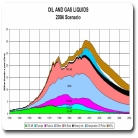
And that shouldn’t give any credence to the well-known but misguided “Peak Oil” theory, which states, in short, that oil production has peaked and supplies will soon be exhausted. Much more likely is that oil will become too expensive to be practical long before we run out.
That debate is academic. What matters is that, in the short term, prices are volatile, and in the long term, they are only going up – and there is very little to knock those trends of course.
Does that need to be damaging? Not necessarily. The view that high oil prices damage the economy by taking money out of consumer and corporate pockets holds some water, but the true picture is a little more complex.
If you asked a haulier 10 years ago how he or she might have coped with diesel at £1.40 a litre, they would probably have laughed nervously and said you were asking a stupid question. They couldn’t possibly survive. Right?
Some haven’t; but the remainder are still in business and consumers pay the extra cost in the price of goods. The market has absorbed higher prices and the on-trend health of the global economy is, despite the current turmoil, better now than it was back then.
But there is another effect of high prices: substitution. We start looking for alternatives. In the case of oil, this search is slow but it accelerates during times of particularly high crude prices. Those who find cheaper alternatives earliest will gain competitive advantage first.
Certainly, it’s difficult to imagine an alternative fuel for lorries (though not for ships) but it’s not too difficult to imagine an alternative to lorries themselves. UK rail freight is a growing sector, albeit one currently helped along to some extent by subsides. And the real driver of modal shift will be rising fuel costs, not subsidies.
The underlying cost of road and ocean transport will only go up. Instead of holding their breath until the spike passes, which it doubtless will, transport operators and users should bank on long-term, above-inflation increases in fuel costs and get ahead of the curve in exploring alternatives and mitigating measures.
Otherwise, those operators run the same risk as the 17-year-old who finds himself with a clapped-out Italian hatchback and not enough cash to fill the tank.
4 Comments on "What goes up…"
JeffBC on Sat, 24th Mar 2012 6:45 pm
Peak Oil theory doesn’t state that oil production has peaked or that it will soon be exhausted. This misquiged false premise is just a straw man argument.
Kenz300 on Sat, 24th Mar 2012 11:58 pm
Long haul truckers are switching to LNG.
GM, Ford and Chrysler are now producing CNG fueled trucks.
Electric vehicles look better as the price of oil continues to rise.
High oil prices, long lines at the gas pump and rationing will push people to think differently about oil. A war with Iran will increase the price of oil. The impact on the economy would be devastating.
SOS on Sun, 25th Mar 2012 2:11 am
Right now new technology has changed the energy picture forever. The oil and gas reservers in the USA have been revised upward in a dramatic fashion and now stand at more than a 100 yrs supply.
With a little support from the US Government energy prices could be greatly reduced along with the national debt. Royalties would cover the debt. Social Security and the budget could be balanced.
Remeber the big ones just get bigger. That should be enough time for alternatives to get it together.
BillT on Sun, 25th Mar 2012 2:51 am
This is an article from shipping news, but does point out the fact that less will be shipped and we have to adjust to doing with less.
The supposed boom in oil and natural gas in the US will slide into the past quickly as the dreams will not pan out in reality. Those sources will not even keep up with the declines in regular well sources over the next decades and will never replace imports to any extent.
And, no, SOS, no government support (meaning that they just take it out of another of YOUR pockets but it is still part of the cost of gas) will not change what you pay for energy. We already pay at the pump, at tax time and in blood in the Middle East for that gas you pump into your car each week. It will never get cheaper.
The budget will never be balanced. The only question is how long they can print money before it all collapses. And Mother Nature is hurrying the process.