
Peak Oil is You

Donate Bitcoins ;-) or Paypal :-)


Page added on January 4, 2015

Sustainable Ways to Feed the World are Subverted by Corporations
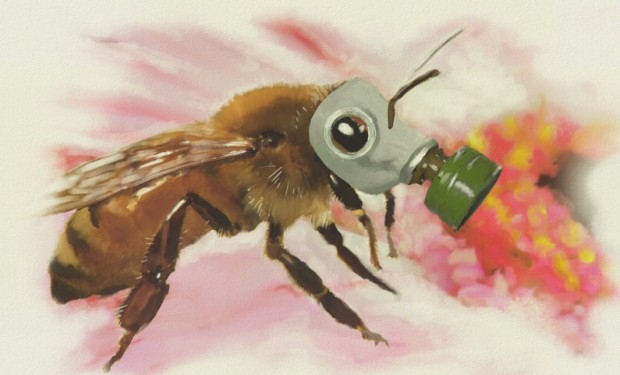
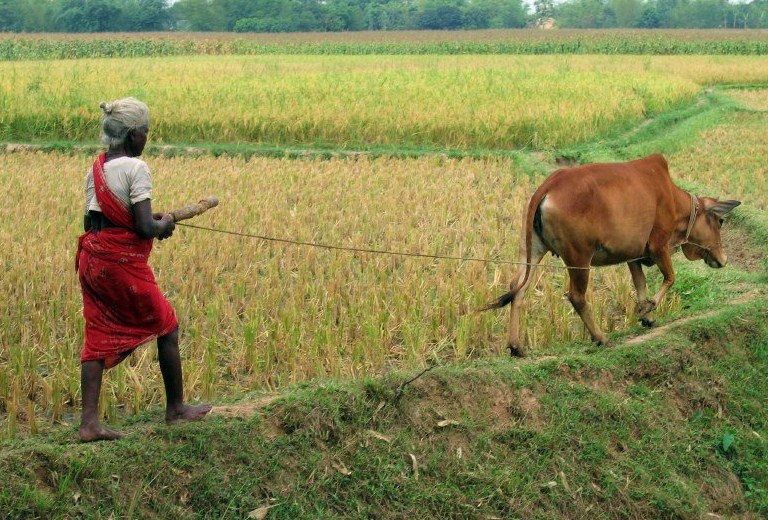
Humans’ relationship to food is one of the most fundamentally shaping aspects of our societies. The sole fact that the majority of the world’s population now lives in urban centers is the direct result of a process that began approximately 10,000 years ago. This process was the switch from nomadic hunting-gathering societies to urban sedentary ones. In fact, formal agriculture is the only means whereby an urban society can sustain itself, its population can increase size and density, and complex societal interactions can develop from an urban context. It could be argued that behind the entire construct of capitalism, as becoming sheltered and sedentary allowed our societies to develop an affection for material objects, lies formal agriculture.
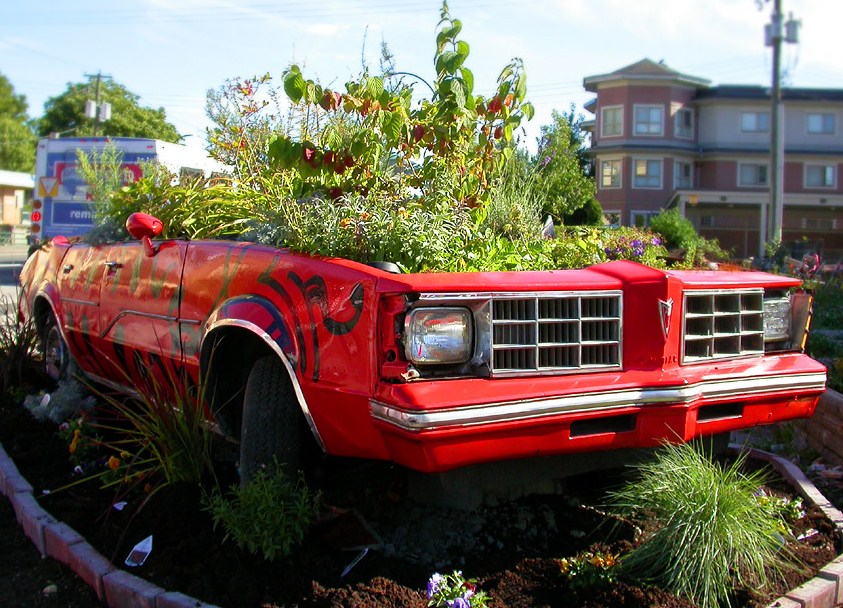
The industrial revolution, and in particular the “green revolution” of the 1960s and 70s, once again changed the way that our global society relates to food. This time, the development of technologically complex and energy-intensive industrial food systems were created, allowing us to produce unthinkable amounts of food. This food industry largely relies on massive monocultures that require an ever-increasing input of fossil-fuel by-products such as fertilizers and pesticides. The current food industry’s dependence on petrochemicals has allowed for massive agricultural conglomerates and corporations effectively to develop and control the majority of the world’s food production. This will become particularly problematic when already dwindling petrol supplies will first increase the price of food, a phenomenon that is already occurring in much of the world, and eventually make industrial agriculture economically non-viable.

Numerous environmental, social, and ethical implications are attached to an industrial system of food production. The agricultural sector has, since the beginning of the industrial revolution, focused on production alone rather than acknowledge that agriculture is multifunctional and multifaceted, and that it includes social, economic, and environmental concerns. In recent years, agroindustry has been moving in an even more alarming direction: the development of Genetically Modified Organisms (GMOs) and hybrid seeds that can produce healthy plants, but those plants cannot bear seeds. Their effects on humans and the environment are difficult to predict.
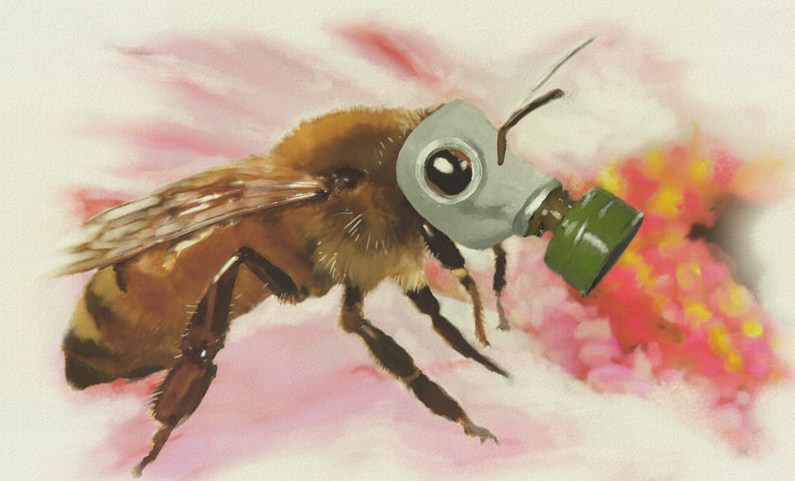
The development of GMOs and hybrid seeds, spearheaded by agroindustry behemoths like Cargill and Monsanto, is devised to make farmers worldwide completely subservient to, and part of, a destructive industry. With the promise of higher and better yields, disease-resistant crops, and fewer pests, these firms manipulate farmers to buy their seeds, which can only be grown with a particular brand of pesticides or fertilizers produced, surprise surprise, by the same firm. The plants will not produce any fertile seeds, and the farmers are forced to buy seeds from the same company the following season. Even if they want to revert to their traditional system, they are often made to sign contracts that prevent them from doing so, and that are enforced by the national and international courts as a result of free-trade agreements. Such a vicious cycle has caused, in countries such as India, thousands of desperate farmers to take their own lives.
A new approach
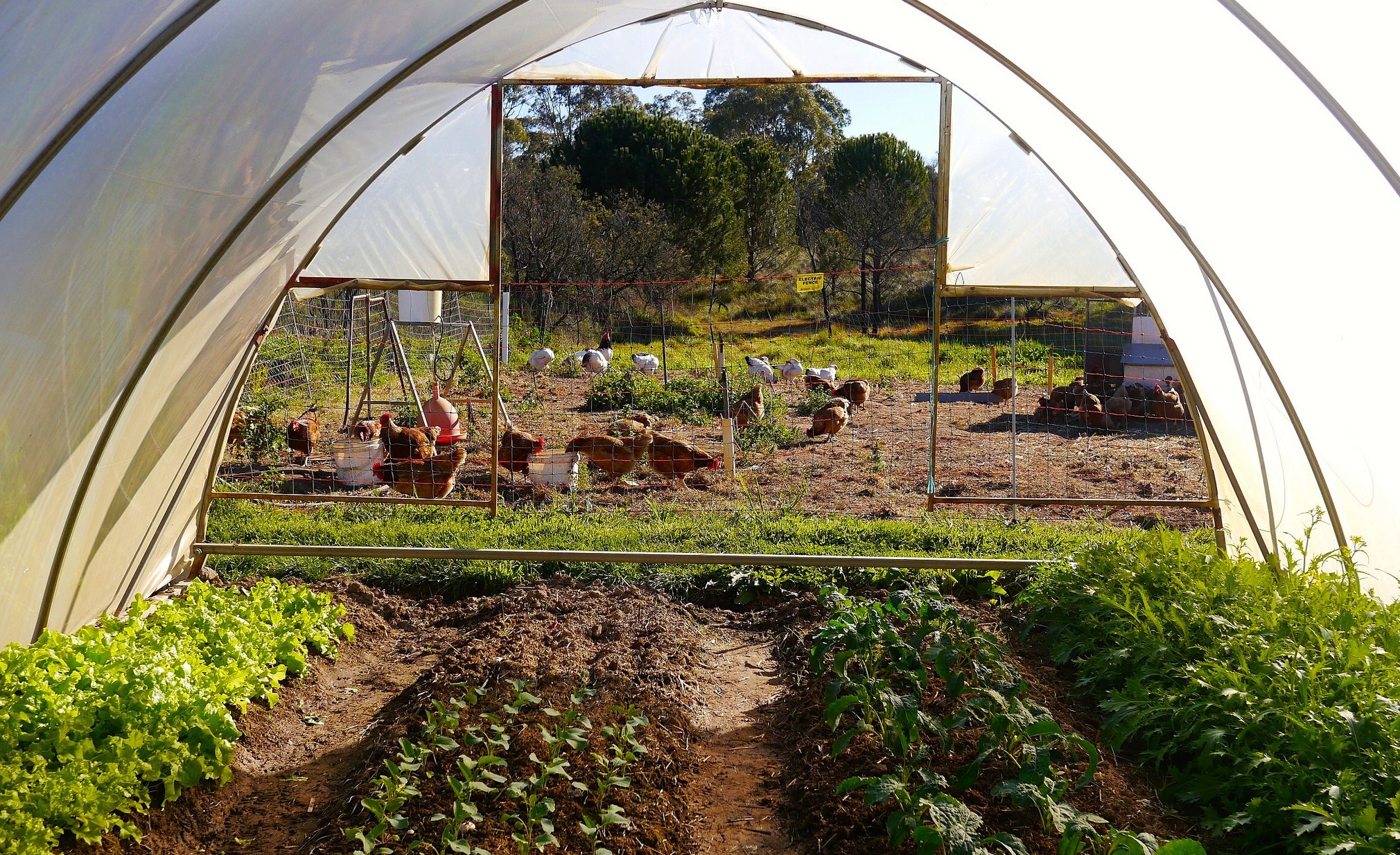
We have just scratched the surface of some of the problems that plague the current way we produce and relate to the food we consume. The picture is bleak, we must admit. But amidst this chaos stands a colorful and dedicated group of indigenous people, family and heirloom farmers, urban guerrilla gardeners, and permaculture enthusiasts, who are dedicated to preserve original seeds and traditional growing practices. Permaculture, in particular, has been gaining momentum in the west. Developed by Bill Mollison and David Holmgren in 1978, permaculture stands for “permanent agriculture”, and it denotes a way of efficiently emulating natural self-sufficient systems in our agricultural designs and practices. In essence, permaculture is a western moniker for the way we have conducted agriculture for millennia prior to the industrial revolution, and the way many indigenous and traditional populations still grow their foods, plus the application of modern scientific understanding of chemistry and biology, as well as modern technology, to maximize efficiency or fully harness the potential of the growing space.
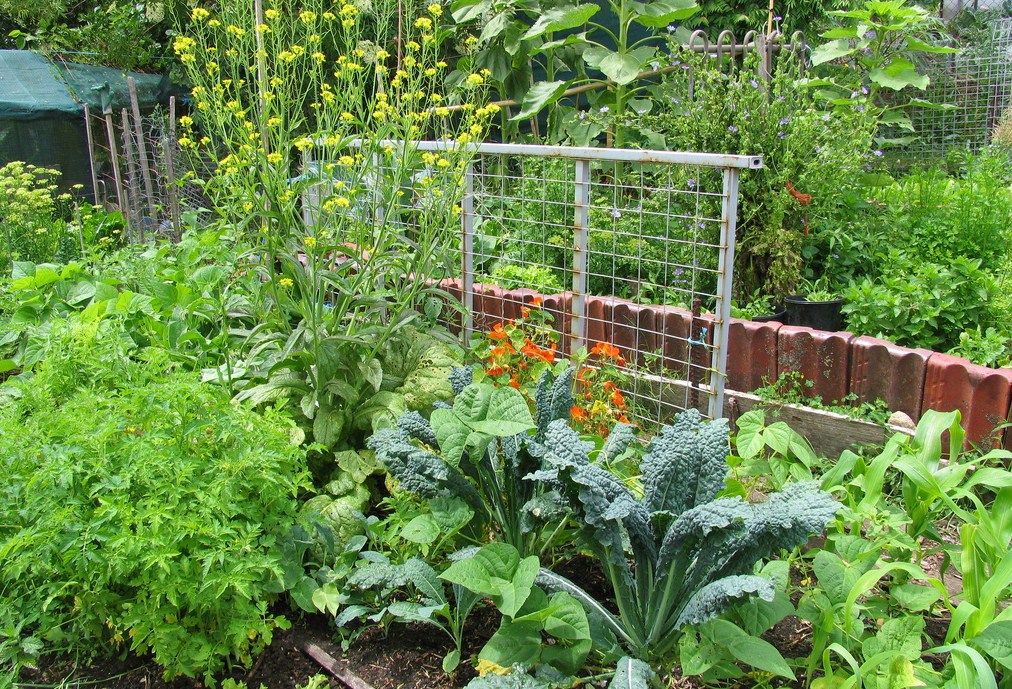
Perhaps, however, those we have most to learn from are the indigenous populations across the globe. Rather than being just agricultural techniques, permaculture and other traditional methods also embody a philosophy that is quite foreign to the western mind but self-evident to indigenous peoples worldwide. This principle states that if your survival requires you to take something from an environment, an ecosystem, a habitat, or any other balanced natural system, then you become responsible for continuing that system and ensuring that it (the colony, group, forest, etc.) thrives. You must help earth to balance itself through natural cycles, rather than deplete it and then supplement it with synthetic chemicals.
Commercialization of the opposition
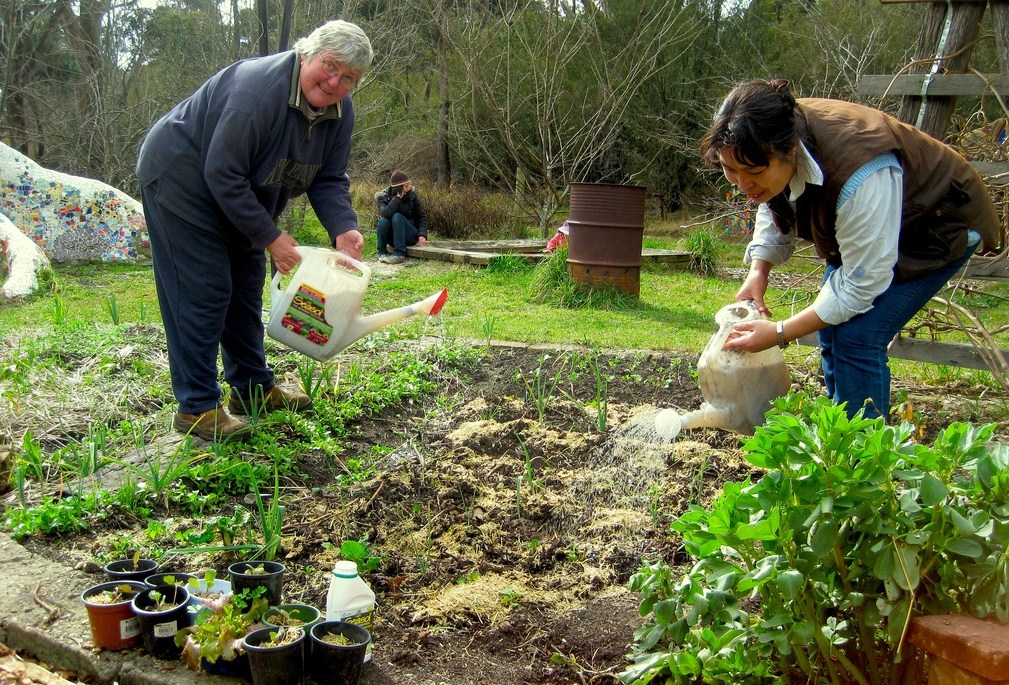
In the hyper-capitalist and globalized societies we live in, self-sufficiency is a dangerous prospect. It breaks the cycle of consumerism so many of us are caught in, and signifies the demise of a system that relies on relentless consumption. Also, as capitalism is a philosophy based on competition, any act of fostered cooperation and mutual aid must be discouraged and criminalized. In such a context, it is only natural that agroindustrial firms would have a vested interest in keeping food costs high and people dependent on their food supply. In a system of global governance that allows such concerns to have a disproportionate influence over the political processes of most nations, it is only natural that they should exercise that power, in any way that they can, against small farmers, permaculturists, indigenous communities, and heirloom seed banks alike.

This is achieved by two very simple mechanisms. The first is a simply monopolistic attitude that leads the larger agroindustry corporations to purchase the smaller ones. This means that, for example, in the United States Monsanto already owns at least 40 percent of the entire nation’s seed production, following its acquisition of Seminis, as well as many national and international subsidiaries. Monsanto has also begun to buy heirloom seed companies and organic food brands! Dr. Phil Howard, in an infographic, has exposed how many of the supposedly organic farms actually belong to agroindustry giants, many of which actively lobby and campaign for spreading GMOs and patenting seeds. The privatization of the proliferation of seeds by patenting their genetic make-up is one of the dirty tricks that the big agroindustry companies are using to force farmers to do business with them. It does not end there. Even if they tried their hardest, these companies could never take control of the entire world’s seed production in such a manner! Surely, individual or collective farmers and farming communities would still keep their seeds and seed banks and replenish them from year to year! Indeed they do, and they must be eliminated.
Criminalization of the opposition
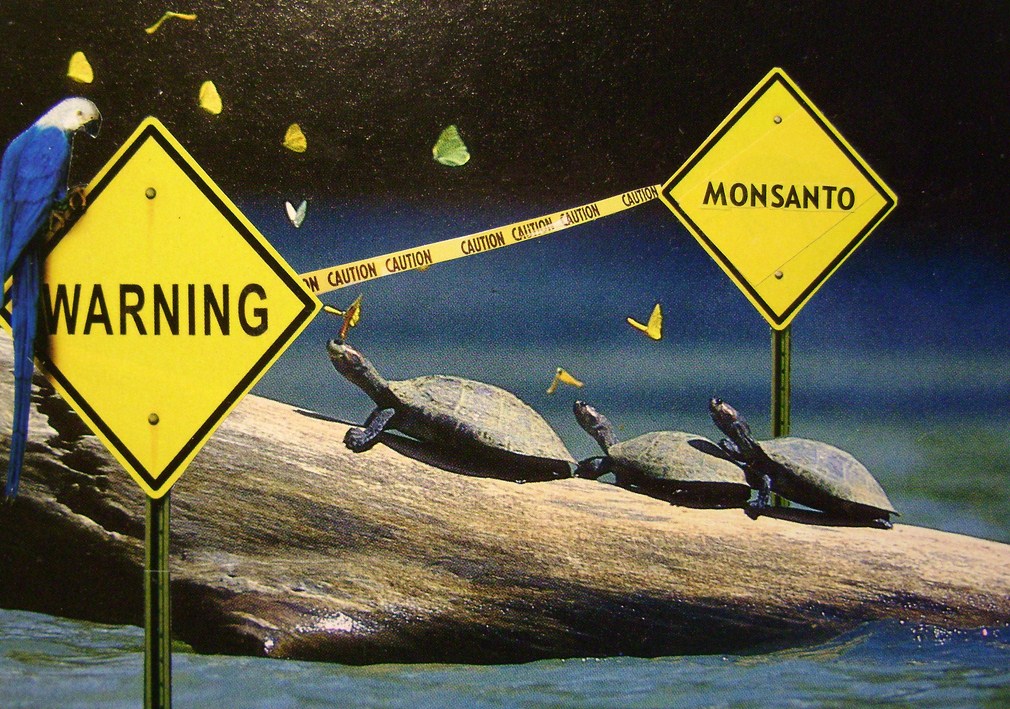
There is nothing more natural for a farmer or a gardener than to save seeds from one season to plant during the next. Yet, as reported by GRAIN, “from Guatemala to Ghana, from Mozambique to Malaysia, this basic practice is being turned into a criminal offence, so that half a dozen large multinational corporations can turn seeds into private property and make money from them.” As if it were not enough to develop potentially unsafe seeds and force third-world farmers into chattel slavery, big-agro companies are lobbying all over the world to criminalize seed-saving. This is being achieved through free-trade agreements between entities such as the US, the European Union, and their third-world trading partners. These agreements allow for the unchallenged entry of massive multinational corporations into local markets, effectively killing or annexing small-scale production. Following the trend that has seen states such as Michigan criminalize small family farms, the saving of wild or “unregistered” seeds will soon be made illegal in Europe. This will be achieved by requiring that all seeds be regulated and registered: an expensive practice that will not allow small-scale and family farmers to afford conserving their seeds, if not illegally.
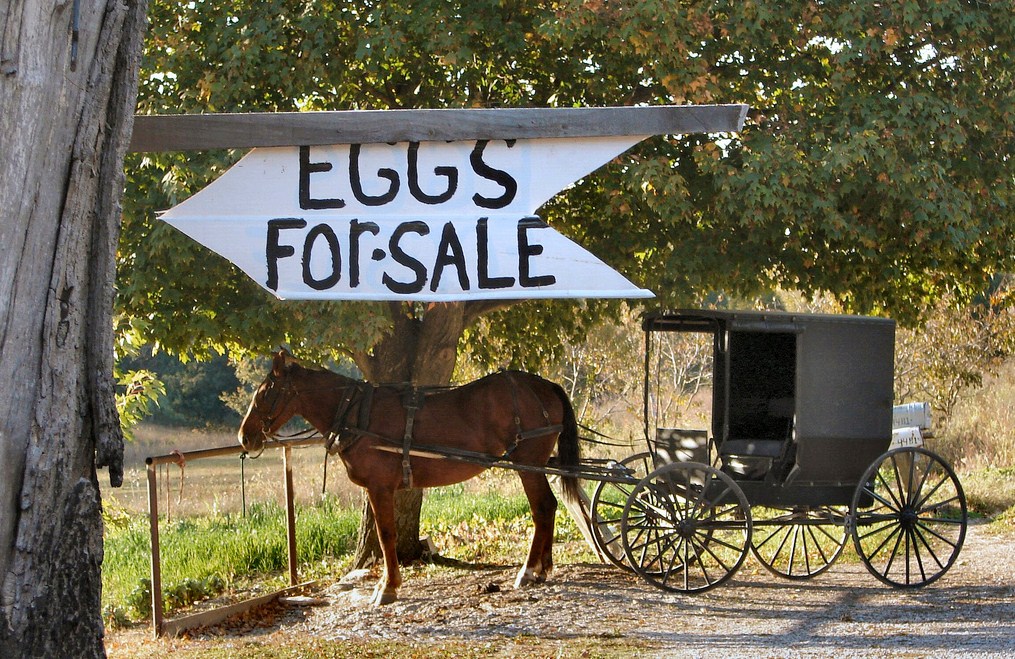
“I teach self-reliance…. I teach people how to grow their own food, which is shockingly subversive…. But it’s peaceful sedition…. I hate lawns.” – Bill Mollison
If we cannot rely on agroindustry to provide an ever increasing world population with bountiful, safe, and nutritious food, then what is the solution? Well it turns out that the solution has always been, quite literally, in our own backyards. Urban farms, backyard gardens, a return to rural and small-scale family farms seems to be the only way to feed the world in the future. This assertion is supported by a 2013 United Nations report. Another report by the World Food Organization states that “urban and small-scale agriculture [is] more efficient than rural agro-industry. Garden plots can be up to 15 times more productive than rural holdings. An area of just one square meter can provide 20 kg of food a year.” In fact, according to the WFO “most research shows an inverse relationship between land size and productivity.” A recent study that conducted a meta-analysis of the available scientific literature concluded that even in large farms there is little decrease in production between conventional farms and those that do not employ chemical fertilizers or pesticides.

The advantages of small-scale agriculture do not end at higher yields. As mentioned before, food production is a multifaceted field; this is so for negative side effects, as well as benefits, and these are countless. Urban vegetable growers spend less on transport, packaging and storage, and they can sell their goods directly from street food stands and market stalls. More income goes to them instead of middlemen or large corporations. They consume less water, employ less pesticides and fertilizers (or none at all if they employ permaculture principles), reducing the infiltration of pollutants into aquifers and food, and maintaining low food prices. Compared to industrial agricultural techniques, indigenous, traditional and permaculture-based systems of food production share at least the following advantages:
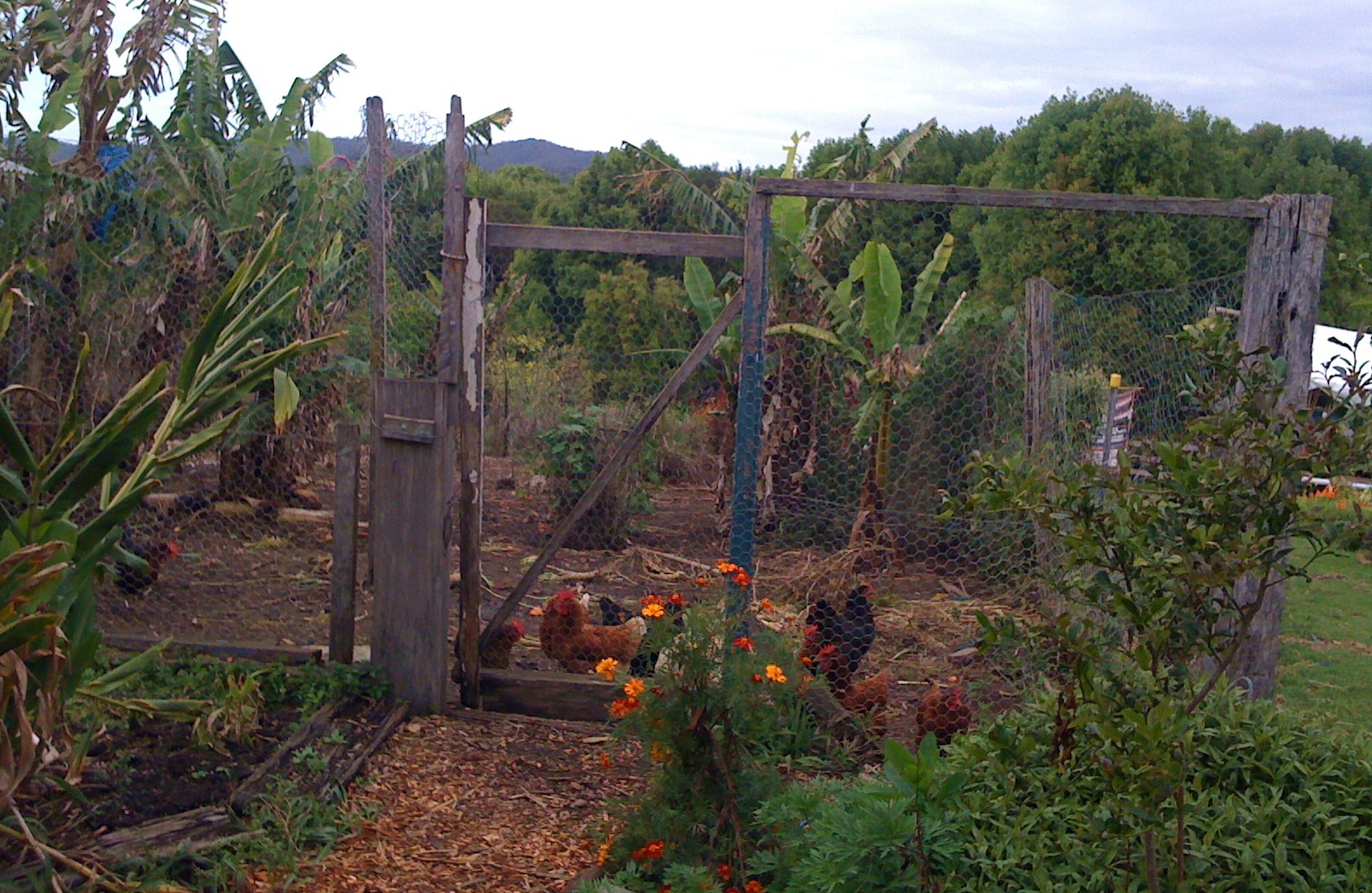
- They maintain genetic diversity, leading to greater evolutionary adaptability to pests and weather;
- They do not deplete topsoil but instead encourage its replenishment;
- They encourage maintenance of local, traditional growing techniques and knowledge against adversities such as pests and poor weather conditions;
- They promote the nurturing and thriving of pollinating insects;
- They encourage self-sufficiency and re-taking control of the quality of our health and nutrition.
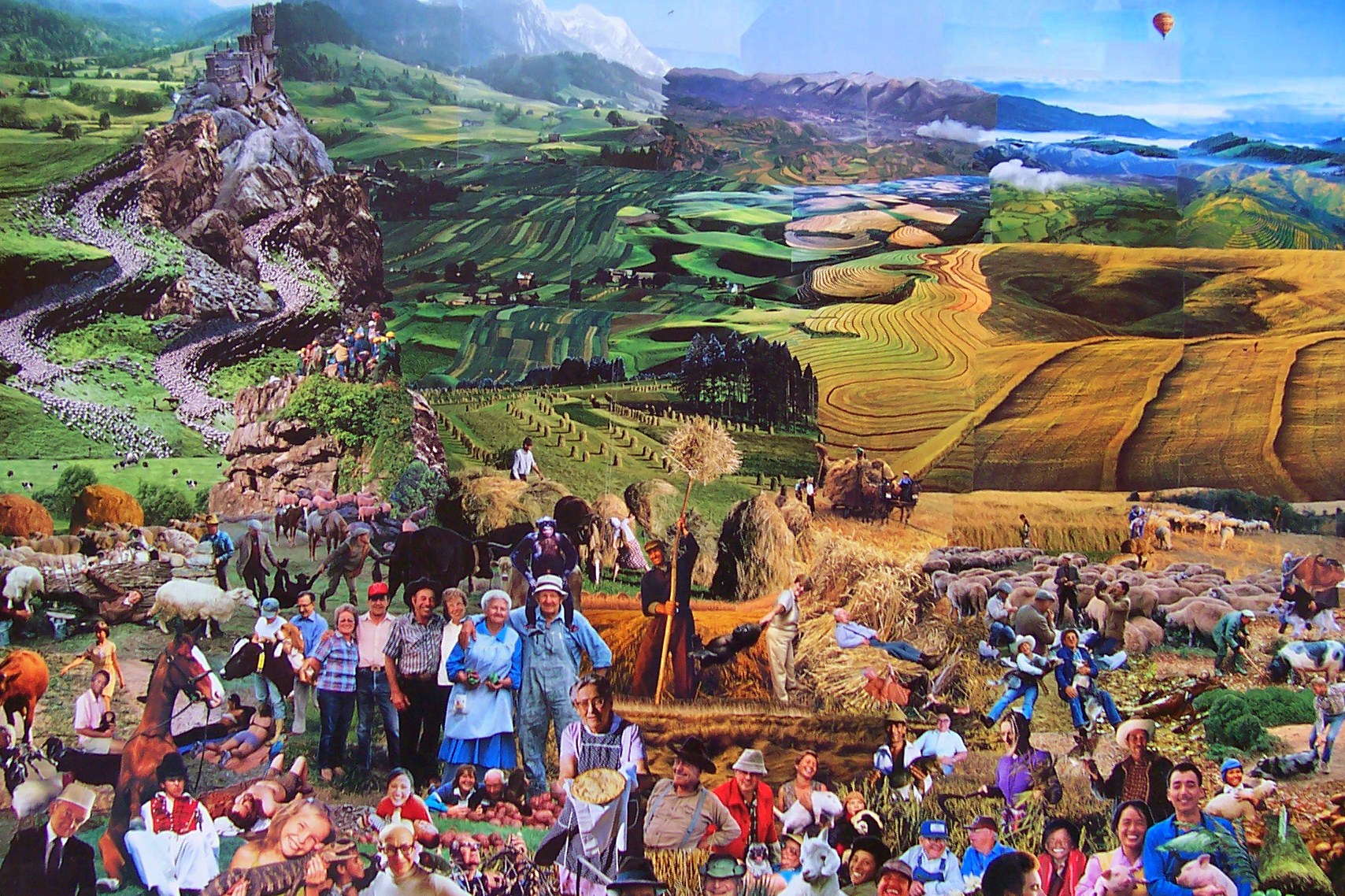
We are faced with a health and environmental catastrophe of massive proportion. Small-scale and traditional farmers, permaculture alternatives, and indigenous peoples are those most willing and able to aid us in a necessary revolution. Will we dismantle the system of food production that is killing people and ecosystems alike? Will we heed the advice of those who look at the long-term impacts on food production and health, or will we focus on perceived gains, most of which turn out to be false hopes? Will we revert to more sustainable societies, or become better poised to collapse as a species? The choice is ours, and it starts with the food and water we consume.
8 Comments on "Sustainable Ways to Feed the World are Subverted by Corporations"
ghung on Sun, 4th Jan 2015 10:06 am
The money line: “In the hyper-capitalist and globalized societies we live in, self-sufficiency is a dangerous prospect. It breaks the cycle of consumerism so many of us are caught in, and signifies the demise of a system that relies on relentless consumption.”
Invasion of the body snatchers, it is, corporate ‘ownership’ of the means of production.
I don’t see the cycle being broken much, at least, not on any scale that matters. That process is occurring on its own.
I’ve been accused of not being a ‘team player for not joining the gridweenie majority. My response is that the team they want me to join is the snake that eats its own tail. I’m not trying to break the greater cycle; no such grandiose expectations here. I just wanted off that snake, and that means not feeding the beast; at least that’s the plan. Fly under the radar and grow what you want, when you want, and do what you need to do. It’s about survival with grace.
This transition is being forced upon us. Got a plan B?
Apneaman on Sun, 4th Jan 2015 11:11 am
I think it is too far gone for a plan-B, but each to his own.
50 doomiest graphs of 2014
http://www.desdemonadespair.net/2015/01/50-doomiest-graphs-of-2014.html?m=1
Apneaman on Sun, 4th Jan 2015 11:24 am
50 doomiest images of 2014
http://www.desdemonadespair.net/2015/01/50-doomiest-images-of-2014.html?m=0
penury on Sun, 4th Jan 2015 11:28 am
Presented here are the three main reasons why the population of the world will never reach 10 billion. Also it presents the future of the majority of the human race/Bow before chemistry until chemistry kills all of us. Should not be long now (geological time)/
Makati1 on Sun, 4th Jan 2015 5:49 pm
Just one subset of chemicals killing us today:
“In general chemicals covered by the TRI Program are those that cause one or more of the following:
laboratory glass containers of different shapes and sizes containing different colored liquids.
Cancer or other chronic human health effects
Significant adverse acute human health effects
Significant adverse environmental effects
The current TRI toxic chemical list contains 594 individually-listed chemicals and 30 chemical categories (including three categories containing 62 specifically-listed chemicals). If the members of the three delimited categories are counted as separate chemicals, the TRI Program covers 683 chemicals and chemical categories (i.e., 594 + 27 + 62).”
http://www2.epa.gov/toxics-release-inventory-tri-program/tri-listed-chemicals
It is amazing that we live so long in the toxic world we have created.
Apneaman on Sun, 4th Jan 2015 7:12 pm
When I was a kid in the 1970 there were no waddling obese kids; just some chubbys, no one had peanut allergies, teachers did not carry Epi pens, no one had to carry around a puffer for severe asthma, there were a couple of mentally retarded kids in the whole school, but nothing like the level of autism we see today. I’m also pretty sure kids weren’t on either speed (Adderal,Ridlan)or anti depressants/anxiety pills. What the fuck have we done to these children? They never had a god damn chance!! Poisoned from in the womb and everyday since they were born and born into a rotten greedy corrupt culture.
Makati1 on Sun, 4th Jan 2015 9:46 pm
Apneaman, it began much earlier in the US. I remember the 50s when I could smell the DDT used on the apple orchard across the road from my house. I can still imagine the smell and taste now, 60 years later. Who knows how much is still in my body today. And then there are the tooth fillings made with Mercury. I carry a few of those even today. And on and on. we do not deserve to exist as a species.
GregT on Sun, 4th Jan 2015 10:23 pm
One really must wonder about the effects of above ground nuclear weapons testing in the 50s, 60s, and 70s.
From the EPA:
The first above-ground nuclear weapon test was conducted by the U.S. in southeastern New Mexico on July 16, 1945. Between 1945 and 1963, hundreds of above-ground blasts took place around the world. The number and size (yield) of blasts increased, particularly in the late 1950s and early 1960s. Following the signing of the Limited Test Ban Treaty of 1963 by the U.S., U.S.S.R., and Great Britain, most above-ground blasts ceased. (Some above-ground weapons testing by other countries continued until 1980.)
The ambient radiation monitoring systems in place at the time recorded sharp increases in atmospheric radiation as the number and size of the blasts increased. Following the signing of the treaty, the monitoring systems recorded the decreasing environmental concentrations of specific radionuclides.
ht tp://www.epa.gov/radiation/rert/nuclearblast.html
Environmental and Molecular Mutagenesis
Volume 49, Issue 1, pages 16–25, January 2008
“Epigenetic changes and nontargeted radiation effects—Is there a link?”
“It is now well accepted that the effects of ionizing radiation (IR) exposure can be noticed far beyond the borders of the directly irradiated tissue. IR can affect neighboring cells in the proximity, giving rise to a bystander effect. IR effects can also span several generations and influence the progeny of exposed parents, leading to transgeneration effects. Bystander and transgeneration IR effects are linked to the phenomenon of the IR-induced genome instability that manifests itself as chromosome aberrations, gene mutations, late cell death, and aneuploidy.”
http://onlinelibrary.wiley.com/doi/10.1002/em.20361/abstract
I swear, we human beings are our own worst enemies.