
Peak Oil is You

Donate Bitcoins ;-) or Paypal :-)


Page added on June 10, 2010

I Can’t Believe It’s Oil!
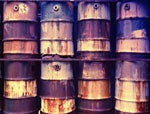
It’s no surprise that most petroleum products are used to generate energy. Gasoline and diesel fuel power our cars and trucks, and kerosene and jet fuel keep our airplanes flying. Some of the propane we use is separated from crude oil during the refining process. On average, a 42-gallon barrel of refined crude oil yields about 19 gallons of gasoline and 9 gallons of diesel, with the remainder used to make other petroleum-based products.
The following breakdown for one barrel of crude is based on data from the U. S. Energy Information Administration. The total of 45 gallons includes a three-gallon gain from additives used in the refining process.
| Number of Gallons | Refined Products |
| 19 | Gasoline |
| 9 | Diesel |
| 7 | Other products |
| 4 | Jet fuel |
| 2 | Liquefied petroleum gasses |
| 2 | Heavy fuel oil |
| 2 | Heating oil and other distillates |
| 45 | Total gallons from one processed barrel |
Fuels and Oils
The range of fuels and lubricants made from petroleum is wide-ranging and touches every industry. Factories could not operate, and the machinery used to make other products wouldn’t function either. The ships and trains that ferry these products around the world all run on fuels made from oil. Oil also provides the energy for electricity generation in many power plants.
Throughout history, people used oil from seeps that leaked oil from below ground without drilling or digging. In ancient times, this liquid was applied to wounds by the Egyptians. The Native Americans also used oil for treating wounds and they passed on their knowledge to George Washington’s army. His soldiers used oil to treat frostbite while hunkered down at Valley Forge.
More recently, uses include: deodorants, petroleum jelly, moisturizers, rubbing alcohol, soaps, heart valves, antiseptics, hearing aids, nasal decongestants, antihistamines, moisturizers, Bactine, vaporizers, latex gloves, bandages, allergy medications, aspirin, burn lotions, insect repellants, anesthetics, artificial limbs, cough syrup, cologne, dentures, stethoscopes, syringes, glycerin, cortisone, cosmetics, dentures, vitamins and synthetic wigs.
Other Products
One of the biggest uses is the manufacture of plastics, which are carbon-based polymer compounds. Because the compounds are inert, they can be used to store other substances without chemical interaction. Plastics are also easily shaped and molded into toys, bottles, computer housings, car interiors and thousands of other products.
Synthetic fibers in clothing such as polyester, nylon, rayon and artificial furs are derived from petroleum. Other products include: crayons, athletic shoes, fertilizer, paint, synthetic rubber, ammonia, computer disks, eyeglass lenses, bubble gum, ink, asphalt, adhesives, candles, antifreeze, carpet, glue, shoe polish, matches, packaging, shingles, linoleum, wiring, dishwashing liquid and many other cleaning products.
Leave a Reply