
Peak Oil is You

Donate Bitcoins ;-) or Paypal :-)


Page added on November 8, 2014

Can natural gas feed the world?
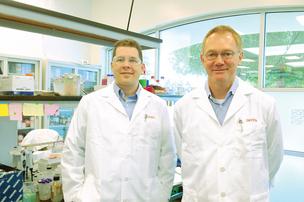
Natural gas — namely its primary component, methane — can be gobbled up by protein-producing microbes. The protein biomass is converted into things like food for farmed salmon or chemicals or other products, according to Shaw, CEO of Calysta Inc., and Silverman, the chief scientific officer. That salmon, of course, is an important source of protein that could serve a growing human population.
A lan Shaw and Josh Silverman have a fish story to tell.
Natural gas — namely its primary component, methane — can be gobbled up by protein-producing microbes. The protein biomass is converted into things like food for farmed salmon or chemicals or other products, according to Shaw, CEO of Calysta Inc., and Silverman, the chief scientific officer.
That salmon, of course, is an important source of protein that could serve a growing human population.
Sounds crazy, right? But unlike the biofuels “big one” that evaded the hook of companies like then-Calysta Energy, which as a group hoped to convert natural gas and other feedstocks into renewable fuels, Shaw and Silverman are determined not to let this one get away.
Most importantly, Shaw and Silverman say, the economics are different for Menlo Park-based Calysta.
Fishmeal prices have surged over the past decade and natural gas prices have dropped; one of the problems of the biofuels story has been that no one has been able to make a cheap-enough alternative to fossil fuels.
“We did ultimately fail. We couldn’t get the biomass to where we needed it,” said Shaw, former CEO of Codexis Inc.
“No one could make any money with cleantech,” he said.
What’s more, Calysta’s product could sell itself. Its experimental fish food is higher in protein content than soy protein concentrate, has a shelf life of about two years (compared to traditional fishmeal’s three-month lifespan) and could reduce demand for anchovies and sardines that are ground up for fish meal.
8 Comments on "Can natural gas feed the world?"
MSN Fanboy on Sat, 8th Nov 2014 4:51 pm
Did I read this correctly?
“hoped to convert natural gas and other feedstocks into renewable fuels”
ROLF
GregT on Sat, 8th Nov 2014 4:55 pm
Soylent Green
Waste not. Want not.
peakyeast on Sat, 8th Nov 2014 5:31 pm
Nothing is infinite. – Except the universe and stupidity – and i am not so sure about the universe…
Plantagenet on Sat, 8th Nov 2014 5:58 pm
They are converting NG into fish food? I hear their next big idea is converting diamonds into graphite
Northwest Resident on Sat, 8th Nov 2014 8:57 pm
While they’re at it, they should work on trying to convert bullshit into something that makes sense.
mbnewtrain on Sat, 8th Nov 2014 11:53 pm
Western hemisphere has no shortage of food for people or for fish. In fact some of the rivers in central US are over populated with Asian Carp, which people here will not eat because it has lots of bones, although Chinese love it.
But, the plan to make methane into fish food is probably as likely as turning algae into liquid fuel (current cost is $8 per gallon). Unless the process can scale up to produce billions of kg per year at reasonable cost, this plan is a non starter. Looks good to sucker in some investors for IPO though.
ghung on Sun, 9th Nov 2014 8:53 am
We’re already turning food into fuel, so why not turn fuel into food… oh wait, most of the food we grow already has natural gas in it as fertilizer.
Just another scheme from people who have bought into the idea that we have unlimited natural gas, and always will. If they could figure a way to turn methane clathrates directly into food proteins before they disperse into the atmosphere, they may be onto something.
DMyers on Sun, 9th Nov 2014 10:51 am
“Protein biomass,”….hmm,..Isn’t that what we used to call a pile of shit? Please, let’s not turn anything else into a pile of shit.
“Sounds crazy, right?” says the article, itself. Of course it does, and the author does very little to dispel that impression.