
Peak Oil is You

Donate Bitcoins ;-) or Paypal :-)


Page added on April 18, 2016

An Energy Diet for a Healthy Planet – Part II
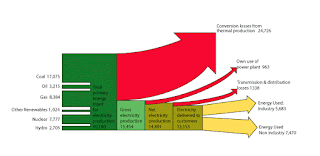
I’ve written before about how efficiency is not the enemy of resiliency and the benefits of going all-electric. In Part I, I mentioned a few ways to cut our energy diet from 230 kwh /person/day to 100 kwh/person/day. I also pointed out that 56 kwh/person/day of our energy consumption is lost as waste heat in thermal generation of electricity. (One of the reasons Denmark is so energy-efficient is that they use cogeneration and district energy systems to turn this waste heat into heat for homes and commercial buildings.)
This means just converting our electrical generation to solar, wind and hydro, which have no heat losses, will give us a big jump in reducing our energy consumption. Solar and wind are also not 100% efficient in turning potential energy into electricity, but the sun shines and the wind blows whether we turn it into kilowatt-hours or not, so there’s no waste. Whereas the coal, natural gas, oil and uranium that turn into unused heat are gone forever, not to mention all the polluting by-products.
 |
| More attractive than a wind turbine? |
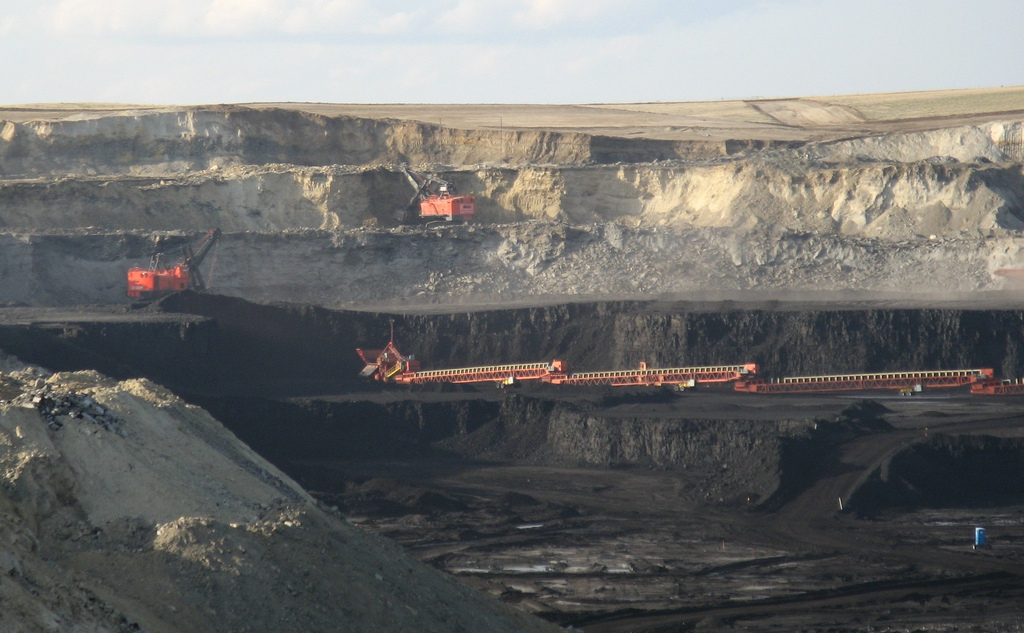
These thermal energy losses in electricity generation are part of the reason Wyoming and Montana are such energy guzzlers. Both states burn coal to create electricity, far more than their state consumes. They then export this electricity to other states. However, the heat losses (2/3rds!) involved in this electricity generation are still part of their state’s consumption. This is also a factor in why energy consumption in California, Massachusetts, and Rhode Island is as low as it is. These states import a lot of their electricity but aren’t apportioned the associated waste heat losses because the fuel wasn’t burned in their state. (Note: there’s no point saying you’re importing “green” energy if the state you’re importing it from is burning coal or natural gas to provide for their own electricity needs.)
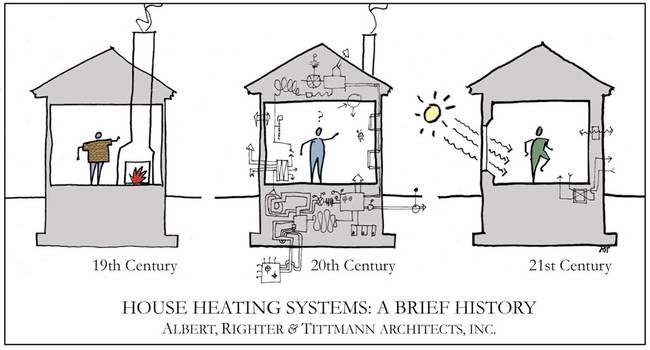
Now one might think with all these heat losses that going all-electric isn’t a good idea until all our electricity is produced by hydro and renewables. One would be wrong. Amazingly, even with the huge losses our current electricity generation entails, it is still more efficient to use heat pumps than natural gas for space heating. (Yes, sunlight beats both.) The same is true for an electric car compared to a 22 mpg gasoline-powered car. Of course, as your state’s energy mix takes on more wind, solar and hydro, the total system efficiency of both heat pumps and electric transportation zooms up.
Back to a 100 kwh/person/day energy budget. “Come on,” I hear you say. “Sealing and insulating homes is all well and good, and maybe heat pumps are snazzy, but how could the United States possibly cut its energy use by more than half and still have a decent way of life?” It does seem daunting. Let’s look at it by sector. Industrial is longest because it’s the toughest nut to crack due to high heat process needs. Just scroll through it if you’re not interested.
Residential
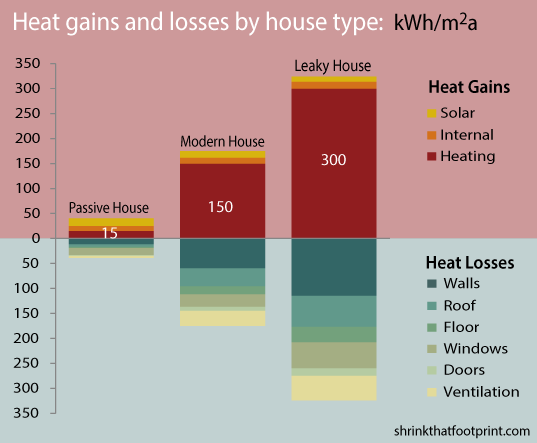
Massive insulating and sealing of existing housing stock; super-insulated walls and ceilings; tight building envelopes; insulated crawl spaces, foundation walls, and slab foundations; higher percentage of multifamily housing; LED lighting; air source and ground source heat pumps for space and hot water heating; insulated hot water tanks; desuperheaters; district energy systems; radiant hydronic heating; high-efficiency fireplace inserts; high-efficiency woodstoves; masonry heaters; solar hot water; passive solar gain; low-flow showerheads; clothes lines; electric induction/convection cooking; electric chainsaws and lawn mowers; lawns converted to vegetable gardens; ceiling fans; whole house fans; heat/energy exchange ventilators; waste water heat recovery; front load washers; awnings; shade trees; street trees to reduce urban heat island effect; green roofs; white roofs; double and triple glazed fiberglass windows; thermal mass; timed thermostats; ultra-efficient appliances; replace or eliminate old refrigerators; no second refrigerators in garages; all new residential buildings net-zero-energy capable; deep energy retrofits for multifamily housing; timely energy use feedback to residents; rebates for low energy use in multi-family buildings; structured insulated panels; build without thermal bridging; duct sealing; fewer housing square feet per person; eliminate vampire electric draw from gadgets/cable boxes; sharply tiered electric rates for high energy slurpers; housing stock 100% all electric.
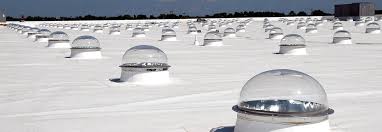 |
| Bring the daylight in |
Commercial
Massive insulating and sealing of buildings; whole building envelope upgrades; radiant hydronic heat; LED lighting; LED streetlights; air source and ground source heat pumps; solar hot water; heat pump hot water; wastewater heat recovery; seal ducts; retrofit windows; district energy systems; make use of industrial waste heat via district energy systems; replace steam heat in district energy systems with hot water; ceiling fans; heat/energy exchange ventilators; chilled beams/chilled sails for cooling; revolving doors; vestibules; operable windows; natural ventilation; night flush; low-E high-efficiency high-thermal-performance glazing; automated sunshades; dynamic glazing; green roofs; white roofs; living walls; thermal mass; zone heating; proper equipment maintenance; don’t overcool; don’t chill the outdoors; don’t heat the outdoors; plug load management; no under-the-desk space heaters or refrigerators; waste heat recovery (especially from computer server rooms); daylighting; solar tubes; skylights; light shelves; building automation systems with zones, daylight harvesting, occupancy sensors and optimum warm up and cool down cycles; grocery store refrigerators and freezers again behind glass; all new buildings under 4 stories zero-net-energy capable; buildings that encourage stair use; recycled building materials; multistory mixed-use infill developments in towns and cities that replace parking lots, garages, auto dealerships, auto repair shops, gas stations, and other auto infrastructure; end minimum parking requirements; less floorspace per office worker; sharing economy allow efficient use of resources; reduced medical kwhs through better food and exercise; sharply tiered electric rates for energy slurpers; commercial buildings 100% all electric.
Industrial, including farming
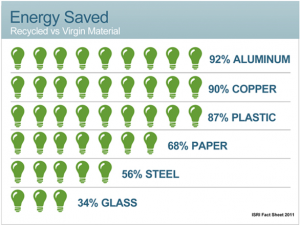
Ubiquitous waste heat recovery; daylighting; solar tubes; solar hot water preheat for industrial processes; solar boilers; boiler insulation; boiler blowdown heat exchangers; boiler condensate return systems; minimize energy draw during idle process conditions; some use of combined industrial heat and power; energy management systems; benchmark energy efficiency; advanced controls and operations for optimized energy draw; reduce gas flaring; renewable raw materials; improved reverse osmosis water purification technology; improve yields of raw materials to desired products; manufacturing engineers prioritize energy and water-efficienct processes; recycle manufacturing and process waste streams; optimize supply chain energy consumption; product life cycle management; community recycling to reduce energy to produce aluminum, copper, steel, glass and paper; improved fiber recycling; next generation mill processes; eliminate junk mail; cloth napkins; reusable water bottles, bags, sandwich containers, growlers; buy in bulk and refill own containers to reduce packaging; home and community composting; slash use of energy-intensive chemical fertilizer via compost and crop rotation to fix nitrogen; slash use of energy-intensive chlorine through reduced use of bleached paper, PVC, vinyl flooring, pharmaceuticals, insecticides, chlorine-based cleaning products; reduce use of energy-intensive ethylene through slashed use of plastic bags, plastic wrap, bubble warp, plastic toys, plastic milk jugs, polystyrene packaging; stop buying endless amounts of plastic junk that just gets thrown away; high-yield, bio-intensive, compost-intensive home and community vegetable gardens; eliminate most petroleum refining; phase out coal mining; eliminate ethanol mandate and ethanol production; eliminate high fructose corn syrup from American diet; eat fewer highly-processed foods; reduce food waste; reduce/eliminate chemical fertilizer and pesticide use; end most crop subsidies (corn most importantly); grow cotton, rice and alfalfa in places with ample water; end most water subsidies; solar drying of crops; green manures; towns and cities develop 100 mile foodsheds; reduce food imports; reduce consumption of all forms of sugar; small biointensive, high-yield, compost-intensive, no-till family farms growing fruits and vegetables on outskirts of cities; hedgerows and other beneficial crop insect habitat; no-till organic grain farms with crimping and careful crop rotation; energy-efficient indoor cannabis growing; grow cannabis outdoors; fruit walls; unheated greenhouses with thermal mass; most food packaging compostable; hoop houses for year-round growing; row covers; eat less meat and more vegetables; eat fewer processed grains and more vegetables; eat less food that’s been frozen or dehydrated; eat only meat/dairy from local range-fed animals; mobile abattoirs; farmers’ and crafters’ markets; buy fewer industrially-produced items; buy products built to last; buy products possible to repair; reduce consumption and reuse stuff; buy used; prevent need for desalination in dry places by eliminating lawns and water waste and adding water collection and storage; electrified industrial-scale compost systems for towns and cities for nutrient cycling; asphalt solar collectors; interseasonal heat transfer and borehole thermal energy storage for snowmelt and district heating systems; electricity prices for industry 2/3rds of residential price instead of half; energy use (beyond solar thermal) in US industry 95% all electric.
 |
| Energy efficient |
Transportation
Electrified passenger rail for distances under 400 miles; regional passenger rail hubs (Atlanta, Washington DC, Chicago, New York); improved rail tracks; passenger rail 100% double-tracked; eliminate passenger rail at-grade crossings; straighten/eliminate rail track curves; 125 mph average passenger rail speed; electrified doublestack rail freight; 50 mph freight rail speed; advanced train scheduling, trip optimization and control systems; electric shared-use autonomous vehicles; electric shared autonomous shuttles; regenerative breaking on trains; Electric Multiple Unit trains; electric buses; electric trams; electric garbage and fire trucks; economic incentives to live car-free; majority of population lives within 15 miles of job; work at home; good local schools; electric bicycles; regular bicycles; bikeshare systems; lower speed limits in populated areas; walk or bike most trips under a mile; under-used roads return to gravel; pedestrian-only boulevards, commercial streets, promenades, main streets and market streets; network of protected bicycle infrastructure within cities/towns and between them; Vehicle Mile Travel charge based on road repair costs and vehicle weight; dramatically reduce private car vehicle miles traveled; local streets safe enough for children to walk and bike to school and activities; walkable neighborhoods; walkable shopping districts; multifamily residential over ground floor retail; live within a ten minute bike ride of a grocery store/pharmacy/medical clinic/library/park/playing field/elementary school; buy local; buy used from local sources; drink filtered tap water instead of bottled water/soda pop/fruit juice; drink local beer, wine and spirits; eat local fruits and vegetables in season; electric dry box trucks for farmers to take produce to cities; electric trucks for delivery last one to ten miles of goods from rail freight terminals; fewer goods deliveries to homes; package locker pick ups in towns and cities; biofuels for aviation; hydrogen fuel cells for ships; transportationin the US 95% all electric.
10 Comments on "An Energy Diet for a Healthy Planet – Part II"
PracticalMaina on Mon, 18th Apr 2016 10:08 am
I do love me some heat load analysis. I was thinking something similar the other day. The complexity of new wall systems, heat recovery ventilators, high efficiency furnace ect ect. Why not just build a decently tight home, with high r value (not crazy though due to increased cost and possibility of condensation within the wall, except in the attic) wide bays between framing studs, (reducing thermal bridging) and a shatload of passive solar and thermal mass. Hint. you don’t need ultra high efficiency 10000 dollar windows if you have thermal blinds and are diligent about closing them when you are no longer gaining solar energy.
You also have to love the lack of complexity of those new mini split heat pumps, 2 high efficiency fans, a computer and a compressor, delivering heat at more than 3 times the efficiency of pure electricity.
Makati1 on Mon, 18th Apr 2016 10:18 am
Another long-winded article full of “what ifs” and techie dreams.
PracticalMaina on Mon, 18th Apr 2016 10:34 am
Why not though Makati, maybe some region with less corruption will read this article and take note. The complexity of our current system makes no sense, if you are going to build in complexity do so in order to increase efficiency, not decrease it. I work in an industrial area with power plants adjacent to manufacturing, instead of expensive cooling systems and heat dumps, why not pipe the waste heat to the manufacturing center for use? My guess is some sort of corruption on some level, it is more profitable for the utility to sell the factory gas or electricity than raw waste heat, as counter-intuitive as that is.
penury on Mon, 18th Apr 2016 11:05 am
If any of that were possible, wonderful. If the population could afford any of that,awesome, If you could get the politicians behind it, impossible. So dream the impossible dream,just remember life is what happens while you are chasing dreams.
onlooker on Mon, 18th Apr 2016 11:15 am
Another lala land article.
Kenz300 on Tue, 19th Apr 2016 9:22 am
Climate Change will impact of us………it is time to transition away from fossil fuels……
100% electric transportation and 100% solar by 2030
https://www.youtube.com/watch?v=RBkND76J91k
G1 on Tue, 19th Apr 2016 6:44 pm
Great article. All of these ideas are available now and would save $, and hopefully our planet. They need to be supported and implemented ASAP.
We also need a carbon tax.
Naysayers and deniers are in Lala Land, and taking their families and everyone else with them!
makati1 on Tue, 19th Apr 2016 6:49 pm
G1, a carbon tax is just another money making exchange of pollution among the big corporation. Only less burning of fossil fuels will make a difference. Not some money gimmick.
Apneaman on Tue, 19th Apr 2016 6:58 pm
Kenz, do you think Climate Change will impact all of us?
Kenz it is time to transition away from fossil fuels?
Kenz do you think we will have 100% electric transportation and 100% solar by 2030?
Just wondering. You’re a little vague sometimes.
makati1 on Tue, 19th Apr 2016 7:32 pm
Ap, Kenz’ program is just a few years out of date. About 30 or so, I think. Maybe his programmer will update him soon with the current version?